


KUALA LUMPUR, 12 FEBRUARY 2025 – Reef Check Malaysia’s 2024 Annual Survey Report reveals that the health of Malaysia’s coral reefs suffered a slight decline for the second year running. Using the Reef Check survey methodology, the Reef Check Malaysia team surveyed over 300 locations across the country.
With over 17 years of data—dating back to the first surveys conducted in 2007—the results indicate that, on average, the coral reefs surveyed have a “fair” level of living coral at 44.65%, marking a slight decrease from 45.87% in 2023.
Reef Check Malaysia attributes this decline to several factors, primarily tourism, pollution, and fishing activities. Additionally, the 4th Global Coral Bleaching Event significantly contributed to the decline, affecting coral reefs worldwide. Bleaching was recorded at nearly 90% of the surveyed locations.
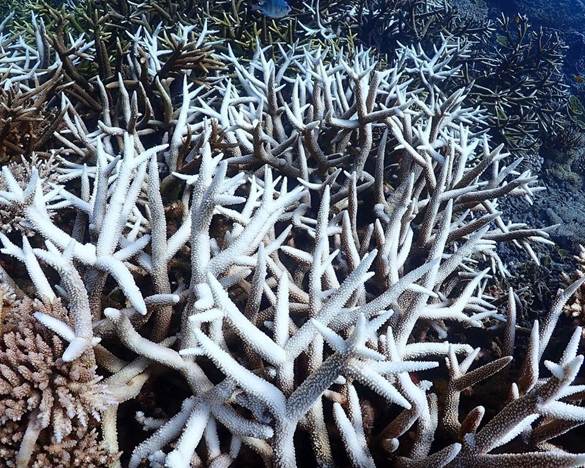
The 4th global mass coral bleaching phenomenon took place in 2024
The surveys also indicate that most indicator fish and invertebrate populations remain low, while signs of reef disturbance have increased in many areas. Approximately 83% of surveyed locations were impacted by discarded fishing nets and trash, while 56% suffered damage from boat anchors.
In Sabah, 64% of reefs showed evidence of dynamite fishing damage.
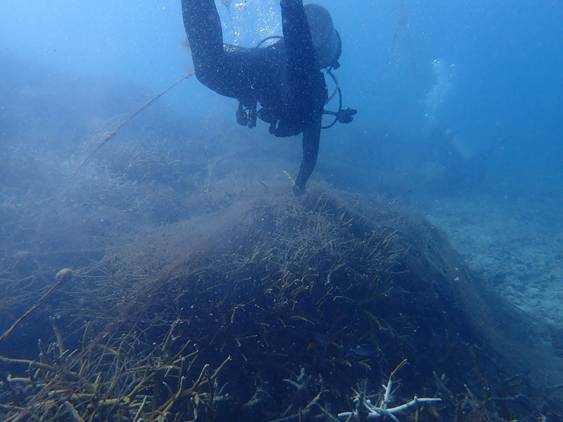
Ghostnets damage reefs
“These human activities are having a devastating impact on our reefs. We must urgently address these local threats to protect our marine ecosystems from these unsustainable practices,” said Julian Hyde, CEO of Reef Check Malaysia.
In response to these findings, Reef Check Malaysia is calling for improved management of coastal marine resources. The organization urges the government to consider joint management that integrates local communities into the management of Malaysia’s Marine Protected Areas (MPAs).
“Empowering local communities in marine management gives stakeholders a stronger voice in decisions that affect their livelihoods. Numerous studies suggest that community involvement leads to improved conservation outcomes. Our Community Marine Conservation Groups (CMCGs) are a testament to this approach,” Hyde added.
Reef Check Malaysia has been actively working alongside CMCGs, a network of trained local islanders conducting marine conservation efforts.
The organization also emphasizes the importance of building ecological and economic resilience.
“Resilient reefs have a greater chance of withstanding or recovering from the growing threats of climate change. Likewise, resilient communities diversify their economies instead of solely relying on tourism,” Hyde explained.
Reef Check Malaysia urges the government to consider shifting towards a sustainable tourism model, moving away from mass tourism in favour of environmentally responsible practices.
As coral reef ecosystems provide food and livelihoods for coastal communities, Reef Check Malaysia stresses the urgent need for greater government focus on marine biodiversity conservation issues and stronger efforts to protect Malaysia’s coral reefs.
For more information on Reef Check Malaysia, you may visit them on their website, Facebook and Instagram or contact them at hello@reefcheck.org.my.
-END-


