KUALA LUMPUR, 23 FEBRUARY 2022 – Reef Check Malaysia (RCM) has published its annual report on the Status of Coral Reefs in Malaysia, 2021. Covering over 200 sites around Malaysia, the report reveals that Live Coral Cover (LCC), a key indicator of reef health, increased slightly to 44% from 41% in 2020.
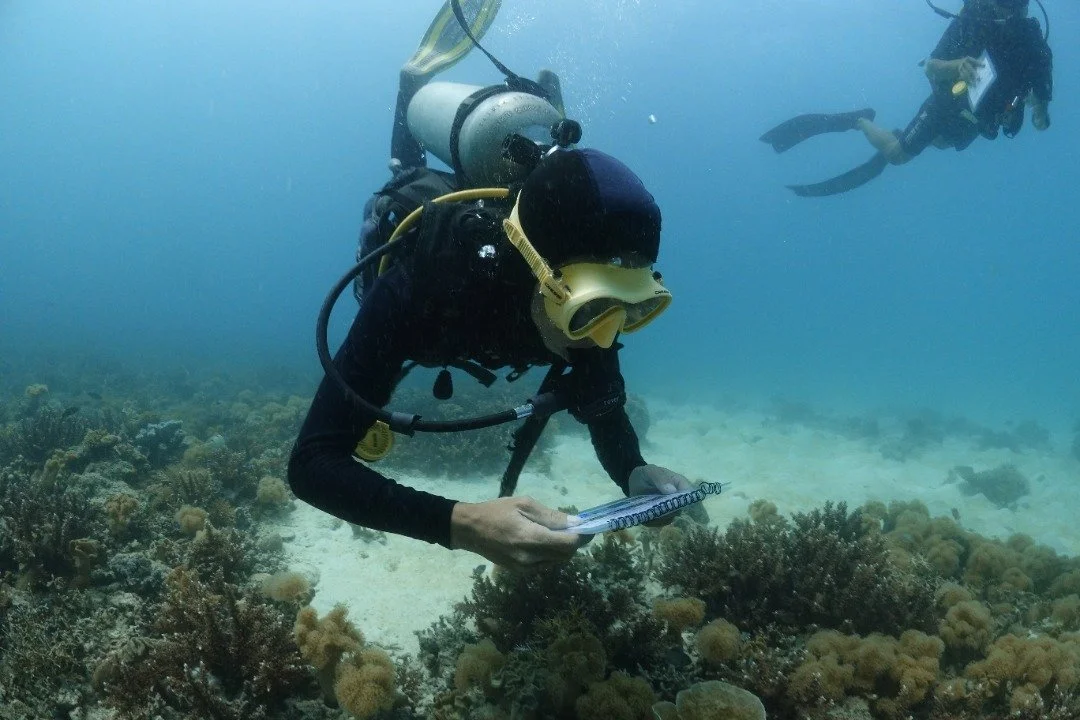
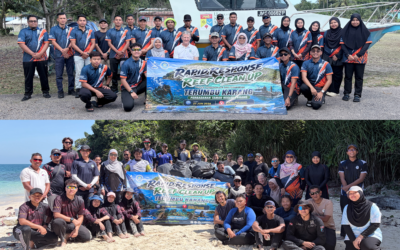
The annual survey programme – running for 15 years now, covers over 200 sites around Malaysia. Surveys are conducted by RCM staff, government agencies and volunteers. Ms Chen Sue Yee, Programme Manager in charge of the report, said that:
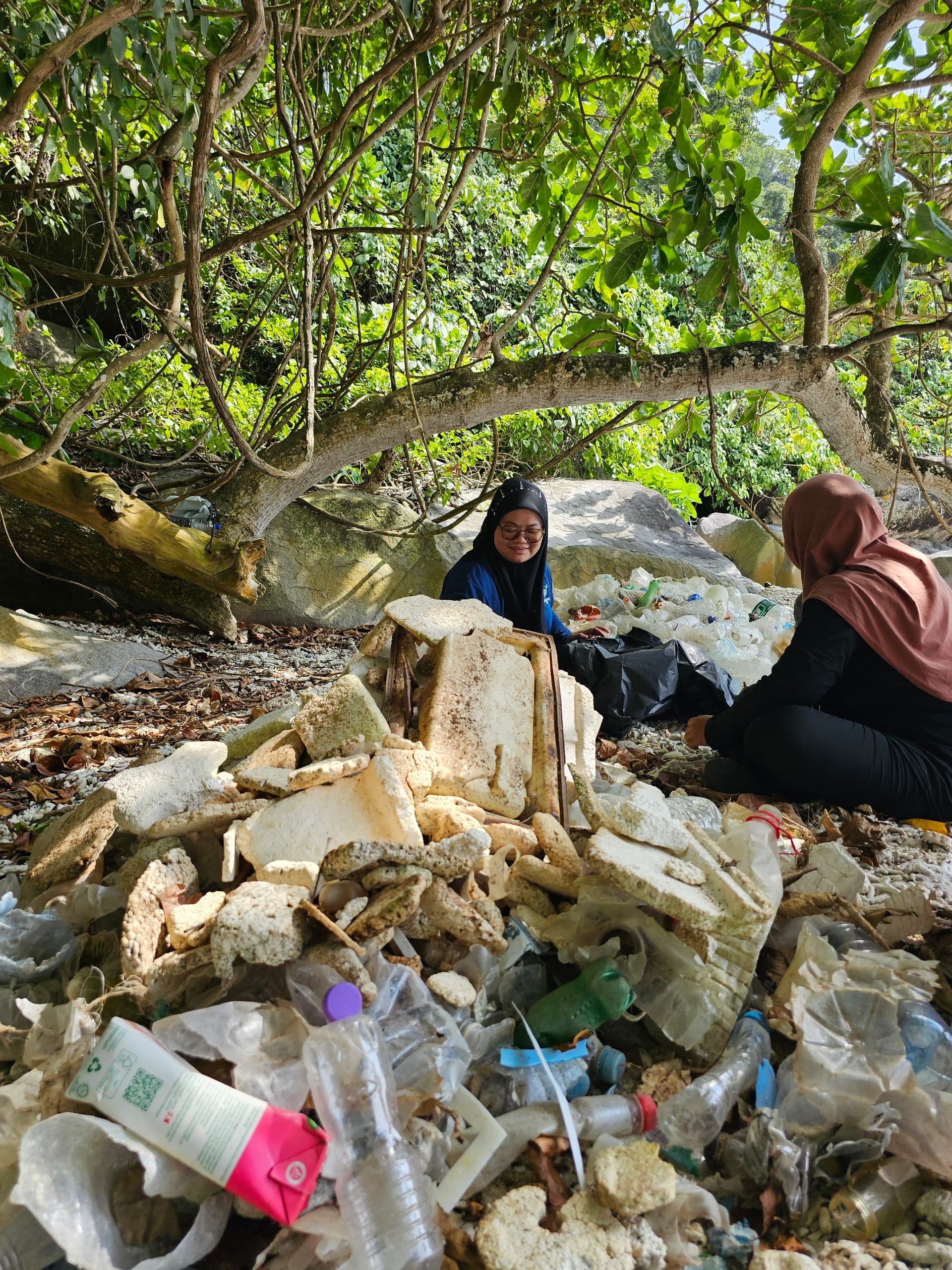
“while the increase in LCC is to be welcomed, there are also a number of indicators that show coral reef health is being damaged by a variety of impacts including pollution, marine debris and warm water bleaching.”
With reefs and other marine ecosystems under increasing pressure from climate change, RCM has launched a year-long campaign to raise awareness of ocean conservation issues.
RCM’s General Manager, Julian Hyde said that
“Scientists are increasingly concerned about the health of the ocean, and the ecosystems in it, including coral reefs. But the problem with the ocean is that so few people know just how much we benefit from a healthy ocean. And as a coastal nation, whose marine Exclusive Economic Zone (EEZ) area is greater than its land area – this is particularly important for Malaysia”.
A recent report by Deloitte highlights some important, but little known facts, about the ocean. Half of the oxygen we breath comes from the ocean. It is an important carbon sink, absorbing about one third of human carbon emissions. Coastal ecosystems including mangroves, seagrass beds and coral reefs provide free and natural protection against flooding, and are a nursery and habitat for many marine species that provide food for local communities. Data from Marine Parks Malaysia suggest that the total economic value of the East coast Parks could be up to RM 7.8 billion.
Hyde continues “the ocean is receiving increasing attention for its biodiversity and as an important provider of ecosystem services. The Convention on Biological Diversity (CBD) post-2020 Global Biodiversity Framework is currently being negotiated and will put in place important targets and strategies for protecting and managing our oceans, including increasing protected areas. We support this, and we want more Malaysians to be aware of what the issues are, hence this ocean literacy campaign”.
The campaign, which begins in March, will include webinars, social media posts and talks to address ocean conservation issues. Follow RCM on Facebook or Instagram @reefcheckmalaysia to get updates and resources on the ocean literacy campaign.
-END-