
Semporna Updates:
January – March 2026
Shaping a Community Protocol in Larapan Island
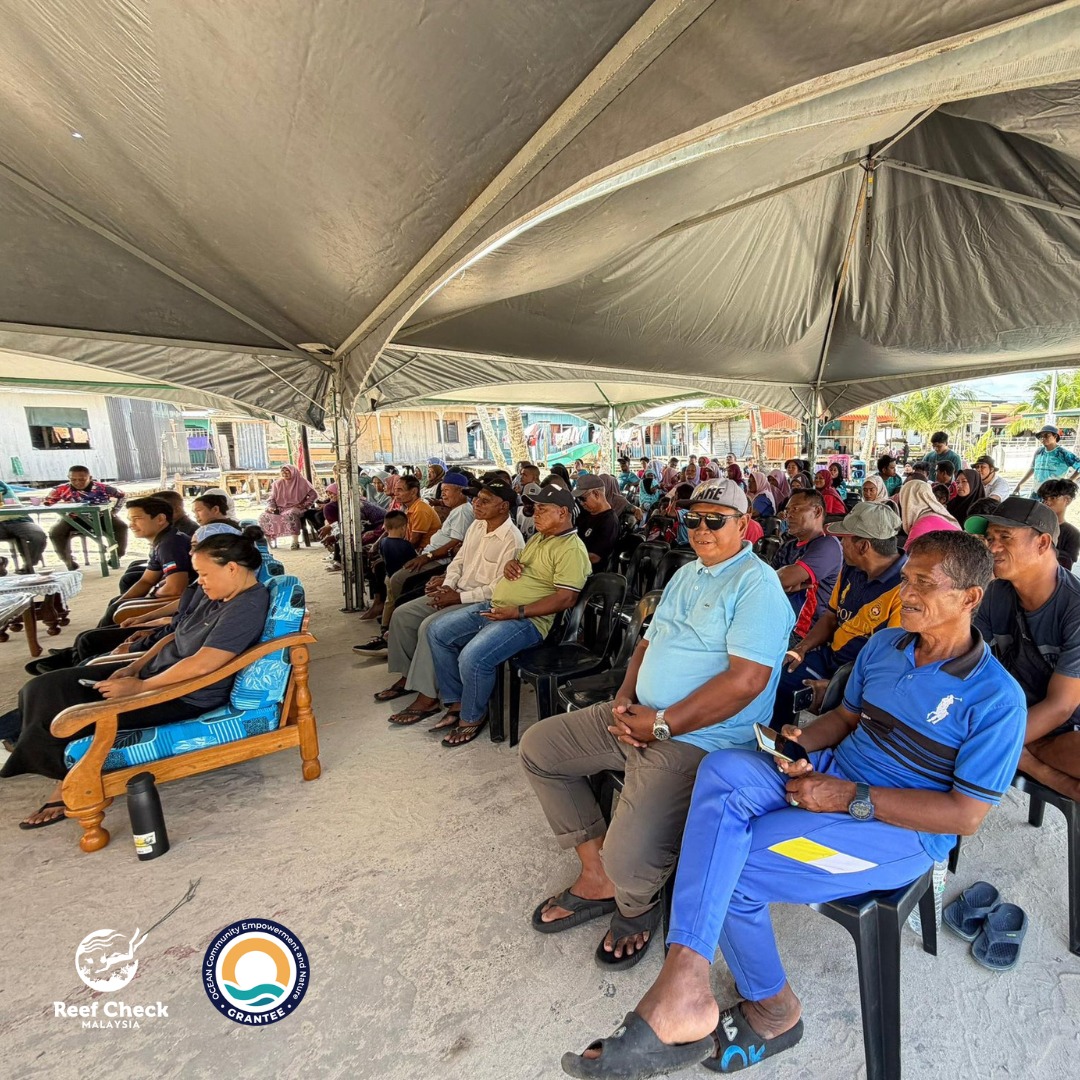
Recently, members of the Larapan Marine Conservation Group (LMCG) and the local Community Protocol Committee came together for a follow-up workshop to refine the Community Protocol – a document that reflects the community’s rights, customs, and role in managing their own marine resources while ensuring their traditions are part of the process. This builds on earlier discussions from late last year. With support from partners and facilitators, the session focused on shaping something that is both practical and truly grounded in the community’s voice. Beyond the workshop, the gathering also created space for cultural exchange, with traditional food, dance and storytelling shared among participants.
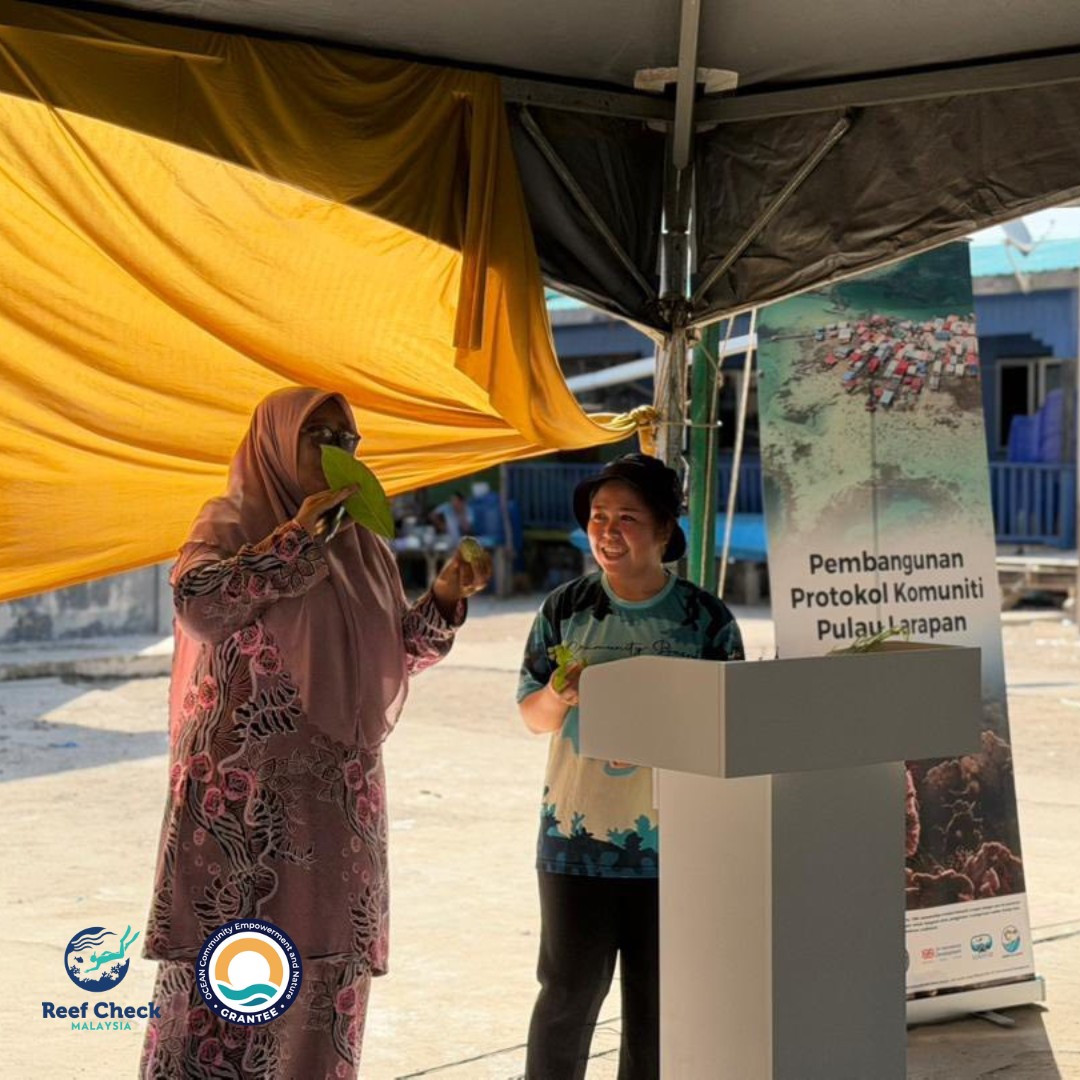
A local villager sharing her thoughts
Local community participants at the Protocol Development workshop
Strengthening Collaboration in Semporna
In Semporna, protecting reefs isn’t just about fieldwork as it also depends on working closely with the right people. Recently, our team met with several local authorities to share updates from the 2025 Reef Check surveys and align on what needs to happen next.
Across these conversations, a few priorities stood out. There was strong support for expanding Community Marine Conservation Groups in places like Selakan and Larapan, as well as addressing ongoing issues such as Crown-of-Thorns (COTs) outbreaks and waste management in communities like Kg Sri Aman. Discussions also touched on bigger challenges, including the impact of unsustainable tourism, with plans to form a joint taskforce to tackle these issues moving forward. Overall, the meetings were a positive step not just in sharing information, but in building stronger collaboration to support reef protection in Semporna over the long term.
Courtesy visit to district officer in Lahad Datu
Courtesy visit to the Semporna native court
Advancing Waste Management Systems in Kg Sri Aman
Not long ago, most households in Kg Sri Aman didn’t have proper bins, and waste often ended up directly in the sea. It wasn’t just a matter of habits, but a lack of access and a system that worked for the community.
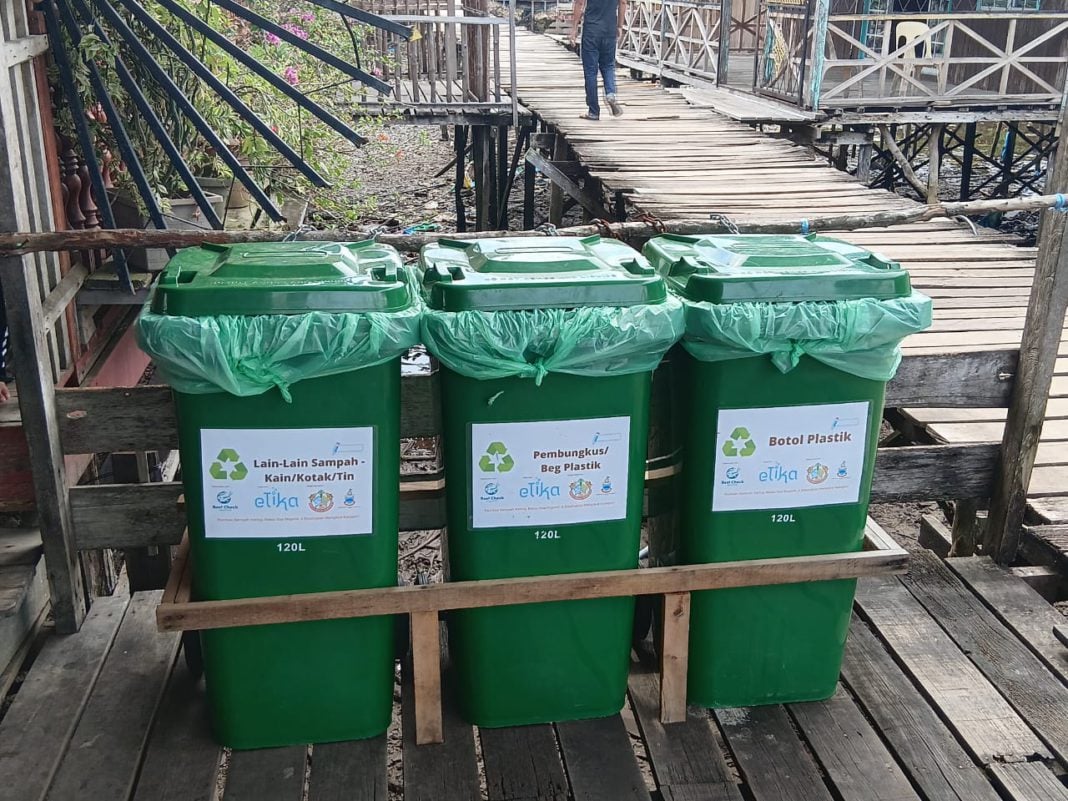
Over the past few months, that has started to shift. Working together with residents, a new waste management system was introduced — from setting up shared collection points to introducing basic waste separation at home. A local committee now helps keep things running, with a more organised collection system in place.
Today, 50 households are part of this effort in its pilot phase, sorting and bringing their waste to collection points several times a week; its all handled by a local coordinator. It’s still early days, but there are already signs of change, with more people starting to separate their waste and take part.
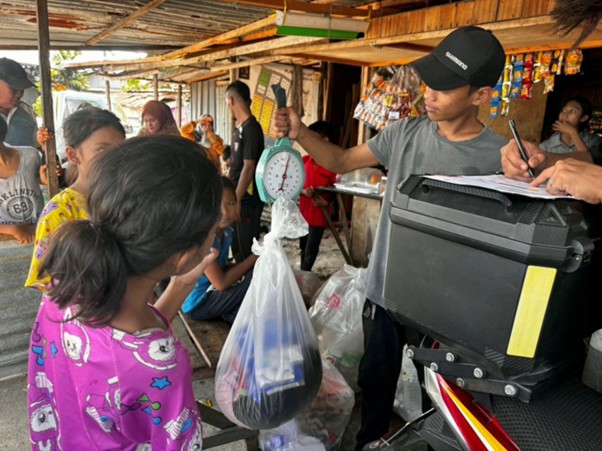
Kampung Sri Aman villagers segregating waste during a pilot project
Recycling bins installed around the village
Hands-on Conservation in Semporna
In Semporna, protecting reefs often means getting hands-on and responding quickly when needed. Over the past few months, local CMCG teams have been actively tackling Crown-of-Thorns starfish (COT) outbreaks, removing a total of 3,457 COTs across six reef sites. These starfish can rapidly damage reefs if left unchecked, so timely action is critical.
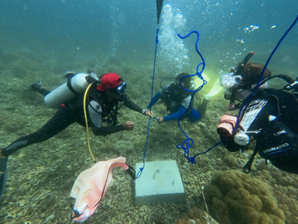
At the same time, efforts are also going into preventing damage before it happens. On Pom Pom Island, teams worked together over several days to build and install three new mooring buoys, providing a safer alternative to dropping anchors on coral reefs. The process involved everything from preparing cement blocks on land to carefully setting up the system underwater.
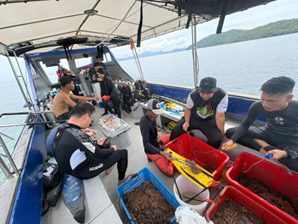
CMCGs working together to remove COTs
CMCGs assembling mooring buoy systems
Building Skills with Semporna Youth
In Semporna, 22 youths from five island communities – Denawan, Kulapuan, Mabul, Selakan, and Larapan – recently completed their SCUBA certification. Over three days, they picked up hands-on skills that open up new ways to be involved in conservation, from reef monitoring to working directly in the water. It’s a small but important step to give the local youth the confidence and ability to play a more active role in protecting the reefs around them.
Checkout these stories
East Malaysia Happenings: April – June 2023
Cintai Mantanani The waste management programme introduced a couple of years ago has developed very well, with amazing reception from the local community. In mid-May, all wastes weighing around 455.8 kg (except for food waste) were transported out to the mainland....
Cintai Redang: April – June 2023
The 6 local youths who are members of the Redang Marine Conservation Group (RMCG) were recently trained as Open-Water (OA) divers. This dive course was sponsored by RCM, as the team will be busy with many dive-related day-to-day tasks. We will slowly be equipping the...
Nuance or Sledgehammer: What’s the Best Communication Technique?
It’s not often that epistemology, empiricism and the use and descriptions of words, and how they are used, creeps into my pieces. But today it did. A little.I was reading this piece in the Guardian while sipping my morning tea:The headline for the article reads: As...