We need to talk about sewage treatment on our islands…
Sheesh. It gets difficult when even the scientists can’t agree!!
I recently posted a question on a coral science list server. I was motivated to do this because there was an on-going “discussion” about the importance of sewage pollution as a threat to coral reefs.
Why Are We Discussing Sewage Treatment in Relation to Ocean Protection?
Here’s the context. We divide impacts to coral reefs into two broad categories:
- Global impacts: these are caused by global warming and climate change (if you believe in those things, that is…) and can result in damage to coral reefs from stronger, more frequent storms, wave damage, coral bleaching, acidification, etc.
- Local impacts: these are the impacts to coral reefs that arise very much at a local level (there’s a clue in the name…). So physical impacts from things like snorkelers standing on reefs or boat anchor damage, land clearing for resorts…and sewage pollution.
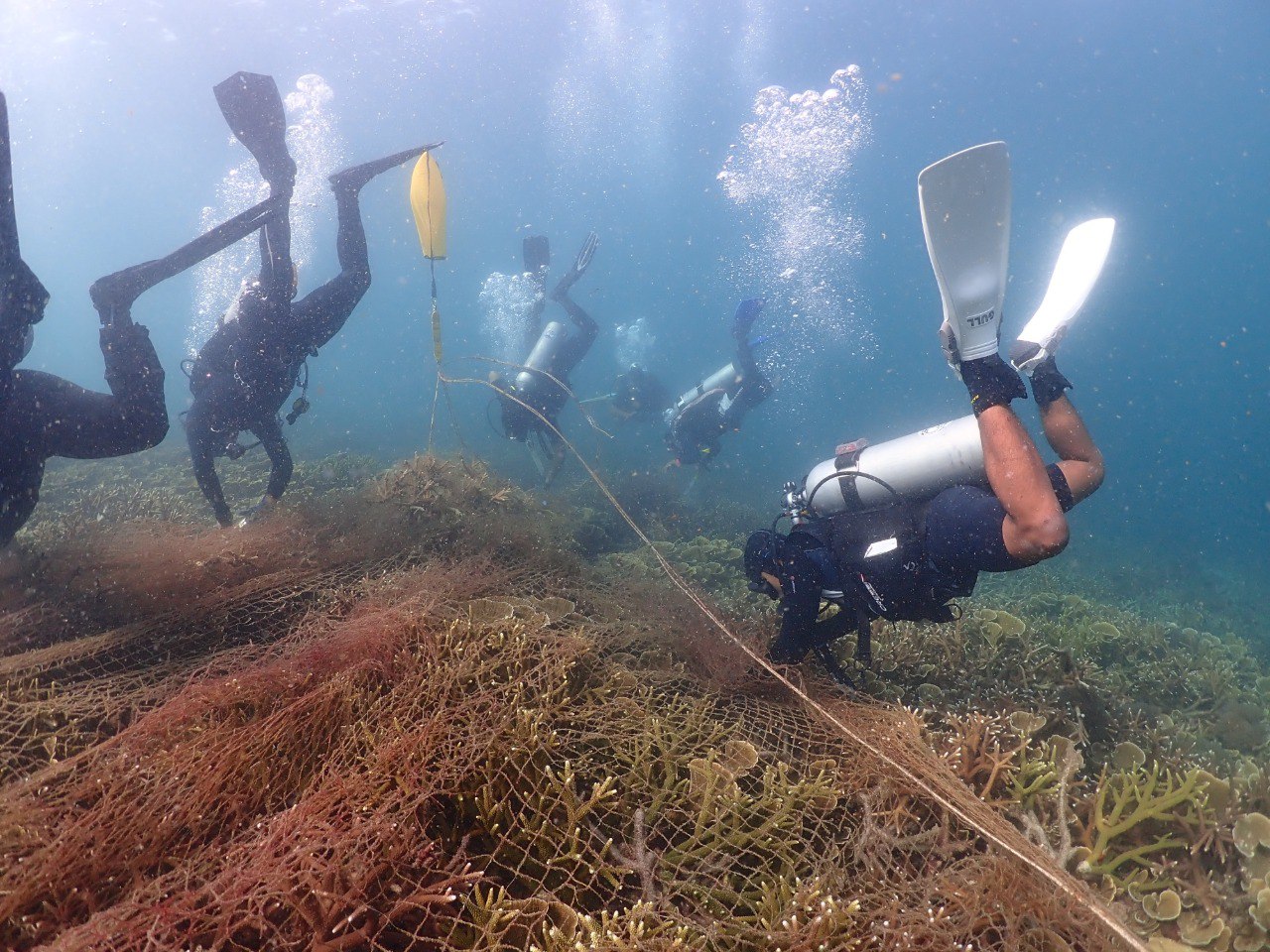
I take the position that there is nothing an organisation like RCM can do about the global threats – that’s a government-to-government thing.
What we can do is to minimise or eliminate the local impacts, so that reefs are as healthy as they can be and therefore more likely to survive an event caused by the global impacts (such as bleaching). This is what we mean when we say we want to “build resilience”.
Resilience describes a characteristic of ecosystems and relates to their ability to recover from disturbances – such as a mass bleaching event. The more resilient the ecosystem, the more likely it will recover once the threat abates or is removed.
Does Sewage Pollution Impact Coral Reefs?
So back to the list server.
Respected scientists, coral ecologists, researchers…various experts, were giving their perspective on various ills facing coral reefs. Some of it was pretty technical, some less so. But I was frustrated because some posters seemed to suggest that sewage pollution is a key impact to coral reefs, others indicated that it was not so important compared to other stressors.
And I thought…what? I thought this was sorted. I thought everyone was clear on this. So, I posted a simple question: is sewage pollution bad for corals?
Sewage Pollution IS A Problem
I got some great responses, together with references to many published papers. There was a strong consensus among responses supporting the view that sewage pollution is, in fact, very bad for coral reefs. Pathogens that cause disease, nutrients that promote the growth of algae on reefs…never mind public health issues.
As for the relative importance of different stressors (global vs local) – I refer you back to the position I outlined above: the importance of focusing on local threats, because that’s really all we can do. And clearly, sewage pollution is one of those local threats.
So. Glad that’s cleared up! Rant over!!
What’s The Solution to Sewage Pollution?
But the problem still hasn’t gone away, and we still have a challenge with sewage treatment. Yeah, ok, it’s an icky topic. But it still needs to be addressed. What are we going to do about it?
The obvious answer is: we have to invest in improving sewage treatment systems in coastal areas.
Easy answer…not so easy to implement.
What Are the Implications of Doing Nothing?
But what happens if we don’t?
Well, the answer to this one is equally direct: the combined impacts of sewage pollution and other stressors will lead to a decline in reef health. It is possible that reefs will no longer provide those ecosystem services that we rely on for food and jobs…affecting 140,000 small scale fishermen in Malaysia…and the 20-25% of jobs in Malaysia that are in tourism or related sectors…these are real-life impacts.
We Are Not Alone
Florida makes a great case study of what can go wrong – and what actions can show results. Many research papers discuss what happened to coral reefs in Florida, and they make a compelling argument for change (here is just one example).
To simplify, many papers point to sewage pollution as being one important factor in the decline of reefs in Florida, and some discuss the improvement of reef health once sewage treatment was improved.
Importantly, some studies suggest that sewage pollution can cause corals to bleach at lower thresholds – making it more likely that polluted reefs will be more susceptible to bleaching. And bleaching caused by warming oceans is one of the number one threats facing coral reefs.
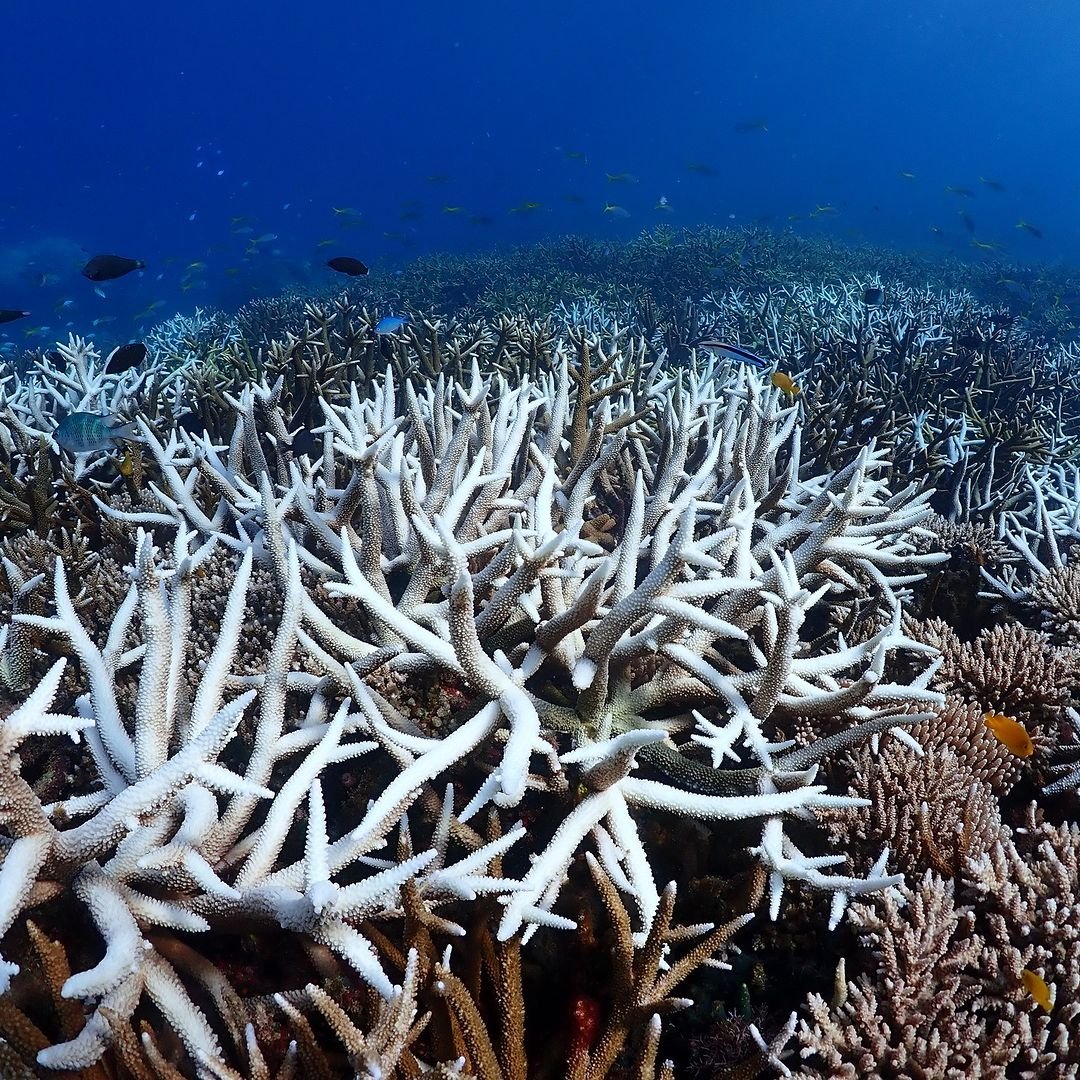
Polluted reefs will be more susceptible to bleaching
So: reduce local impact + build resilience and reefs are more likely to survive warming oceans.
What’s the current situation in Malaysia?
Surveys of sewage treatment systems on islands in Malaysia (see, for example, RCM’s report) have shown that in many places treatment systems are inadequate to meet today’s needs, and this is backed up by water quality monitoring in some places.
I just asked my colleagues in our field offices around Malaysia for an update, and the majority reported back that, while some households and resorts do have septic tanks, many still rely on simple soak away pits.
So, it seems we have a similar situation to that highlighted in Florida: poor sewage treatment in some areas is impacting coral reef health.
What Should We Do Next?
Action is required to improve sewage treatment to prevent further damage to coral reefs. The good news is that the technology is not complex, and no new discoveries are required – we have all the sewage treatment technology we need (see here and here for a couple of examples).
We just need to commit to protecting coral reefs. Simple.
If you’d like to support us, you can follow our social media pages for any updates on our work and volunteering opportunities, or you could also donate towards our cause.