OCEAN PROTECTION STARTS WITH US
Marine Debris: The Silent Killer of The Oceans
What is Marine Debris?
Our ocean, from the most remote islands to the deepest trenches, is filled with things that do not belong there.
Marine debris, also known as marine litter, is any persistent, manufactured or processed solid material discarded, disposed of, or abandoned in the marine and coastal environment.
More simply, marine debris is rubbish found in the sea, along shorelines, or on beaches.
What ends up in the ocean?
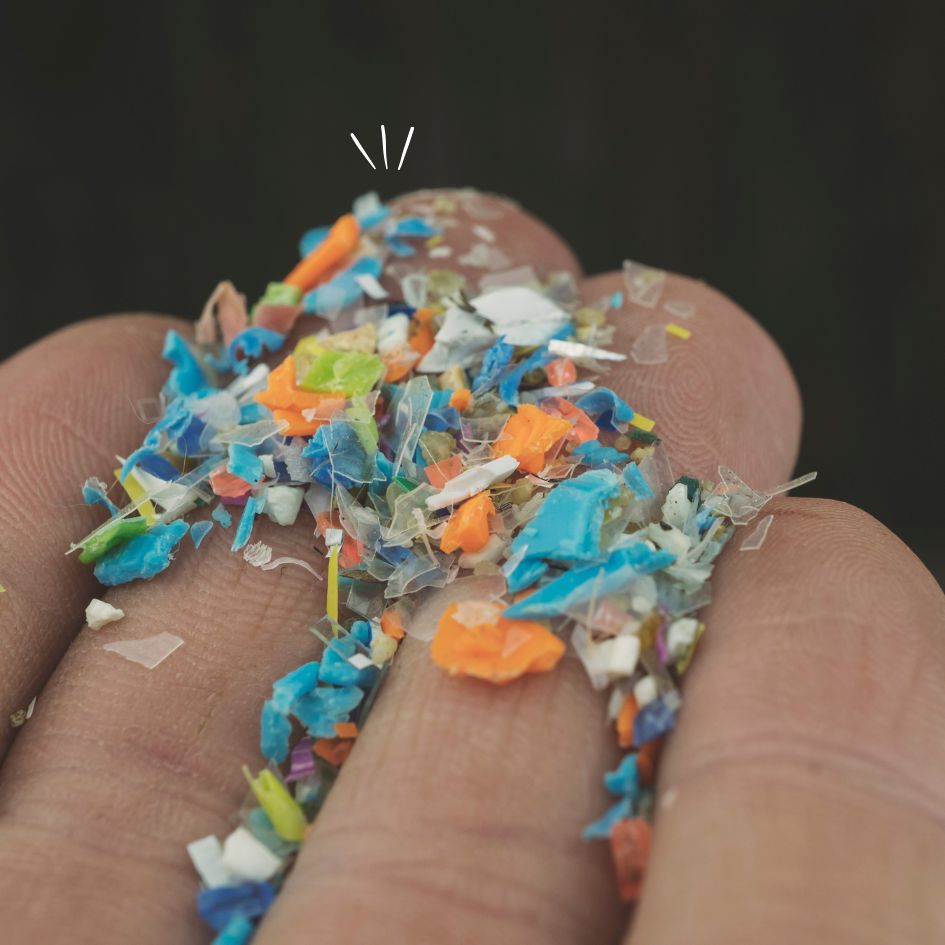
Many materials break apart over time, but they rarely disappear completely. Instead, they fragment into tiny particles known as microplastics that can persist in the environment for decades or even centuries.
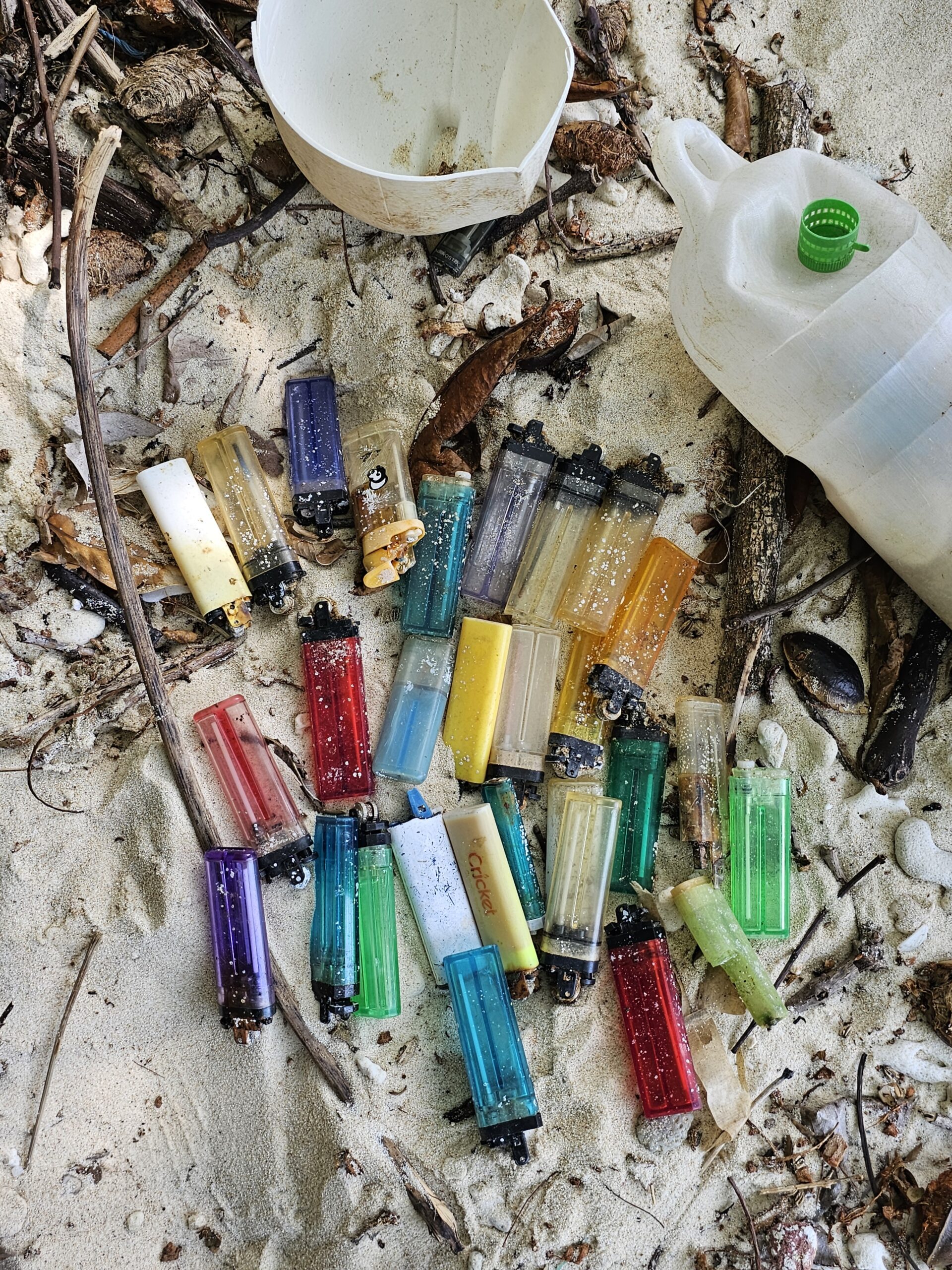
The most common types of marine debris include:
Where does marine debris come from?
Artificial debris enters the water in many ways. While some waste originates at sea, most comes from land-based sources.
Common sources include:
- Trash left behind on beaches
- Waste carried into rivers, drains, and waterways during storms
- Thrash discarded from boats, ships, and offshore platforms
- Lost cargo from shipping accidents and severe weather events
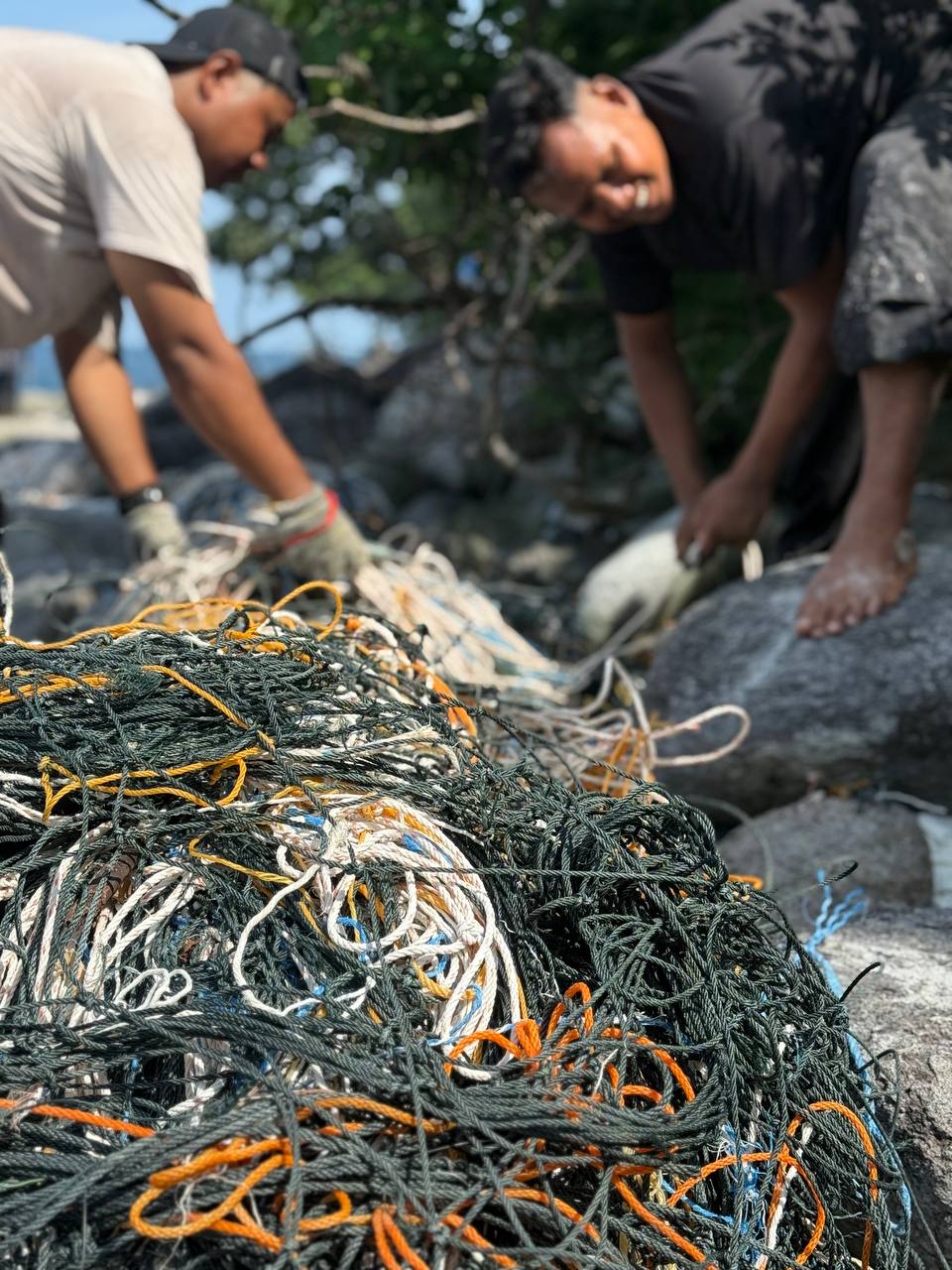
- Abandoned fishing nets and gear, also known as ghost gear
MARINE DEBRIS IN MALAYSIA
metric tonnes of plastic enter Malaysian waters every year
%
of waste found on Malaysian beaches is plastic
pieces of plastic per m² recorded on some shorelines
Malaysia is ranked among the world’s highest contributors of mismanaged plastic waste, and the problem continues to grow as waste generation increases alongside rapid development and consumption.
What we found during the International Coastal Cleanup
The International Coastal Cleanup (ICC) happens all around the world on the third Saturday of September every year. In Malaysia, Reef Check Malaysia coordinates the ICC. Volunteers all over Malaysia go to a beach to pick up trash and clean the coastlines while recording data in the Clean Swell app.
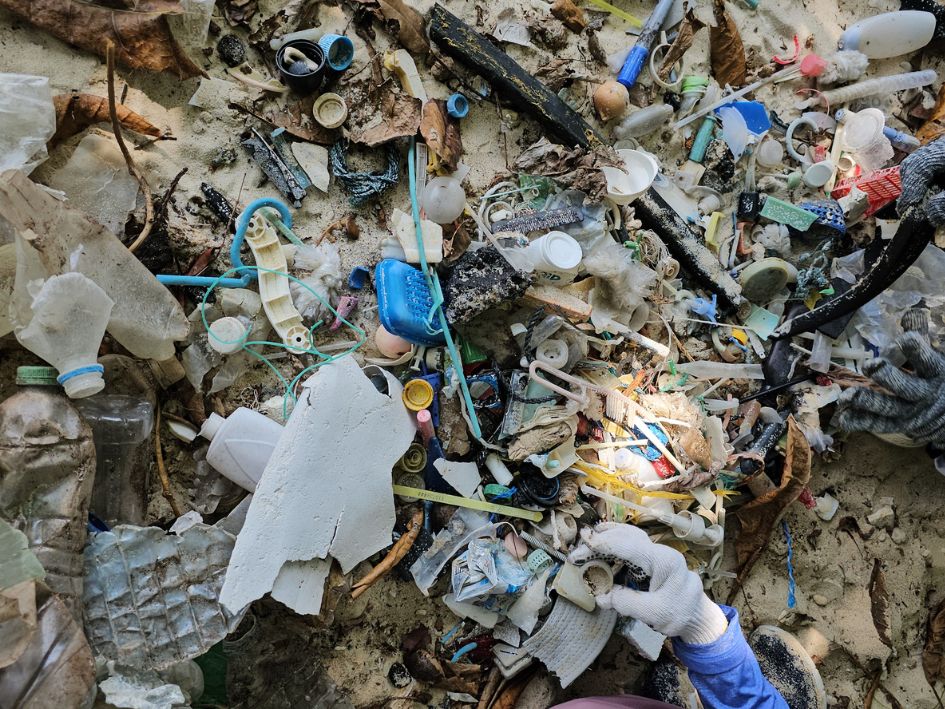
From the data collected we found that there are 5 most commonly collected items and they are:
- Plastic beverage bottles
- Cigarette butts
- Plastic grocery bags
- Plastic foam pieces
- Food wrappers.
Why does it matter?
Impact on wildlife
- Sea turtles mistake plastic bags for jellyfish
- Fish, seabirds, and mammals become entangled in ghost gear
- Microplastic ingestion disrupts feeding and digestion
- Chemical exposure—including BPA—harms health
- Debris and reduced sunlight damage coral reefs
Impact on people
- Polluted beaches reduce tourism appeal
- Sharp debris and broken glass cause injuries
- Increased risk of disease and contamination
- Economic losses for fisheries and tourism operators
- Unpleasant environments for coastal communities
What is Reef Check Malaysia doing?
- Improving waste management
We support community-based waste management programmes in Mersing, Tioman, and several islands in Semporna—covering establishing waste collection centres, waste segregation, recycling, and reducing waste leakage into the environment.
2. Organising coastal cleanups
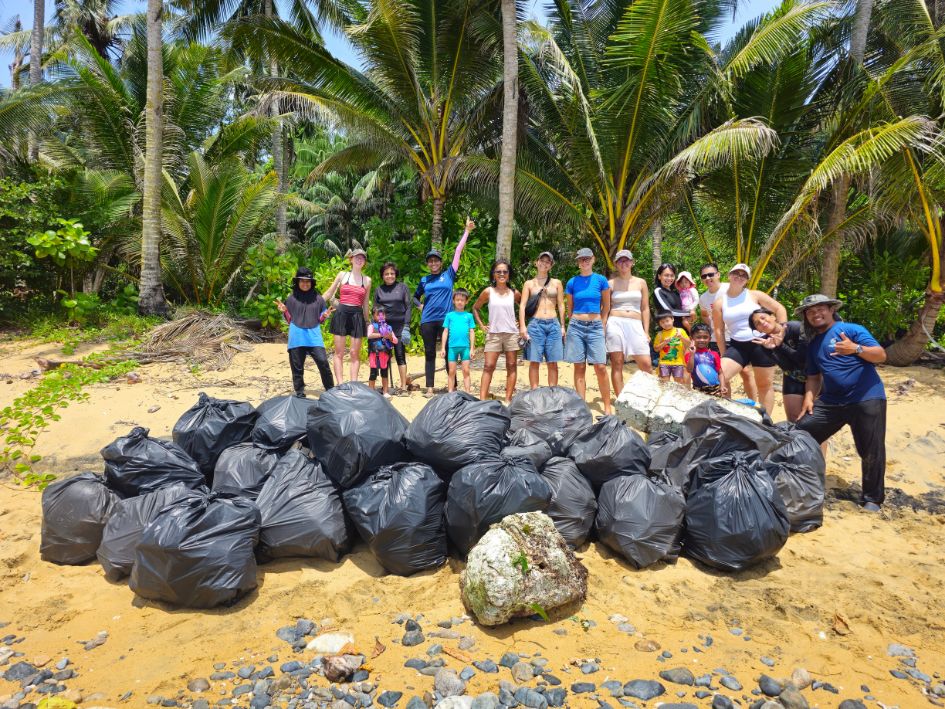
Every year, we coordinate the International Coastal Cleanup (ICC), bringing together thousands of volunteers across Malaysia. Many project sites also run regular cleanups throughout the year to remove marine debris and collect valuable data on pollution trends.
3. Educating future ocean stewards
Through school programmes and community outreach activities, we help young people understand the impacts of marine debris and develop sustainable habits that reduce waste.
4. Raising awareness and driving change
We engage the public, communities, businesses, and policymakers to encourage long-term solutions that address marine debris at its source.
What Can You Do?
Every action counts. Here are six ways you can make a difference:
- Join a beach cleanup like ICC or Kod Blue
- Reduce your use of single-use plastics
- Recycle whenever possible
- Choose reusable alternatives
- Raise awareness in your community
- Support policies that reduce plastic pollution
Together, we can keep our oceans cleaner, healthier, and more resilient for future generations.
Other Marine Debris