
microplastics
Small particles with far-reaching consequences
Microplastics
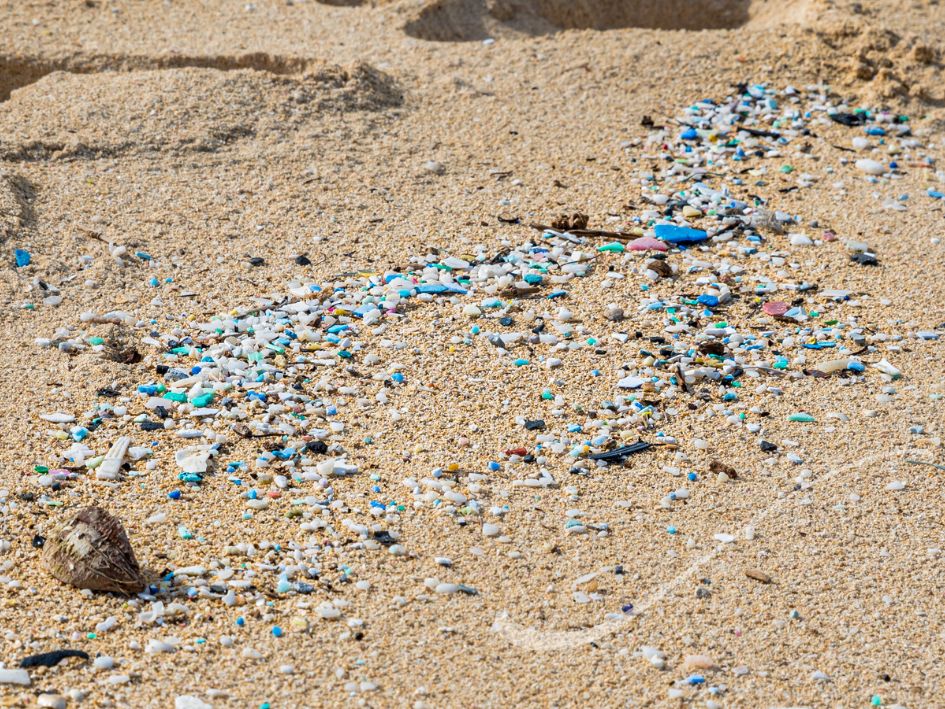
Microplastics are fragments smaller than a grain of rice — and they’re now turning up in our oceans, our seafood, and our own bodies.
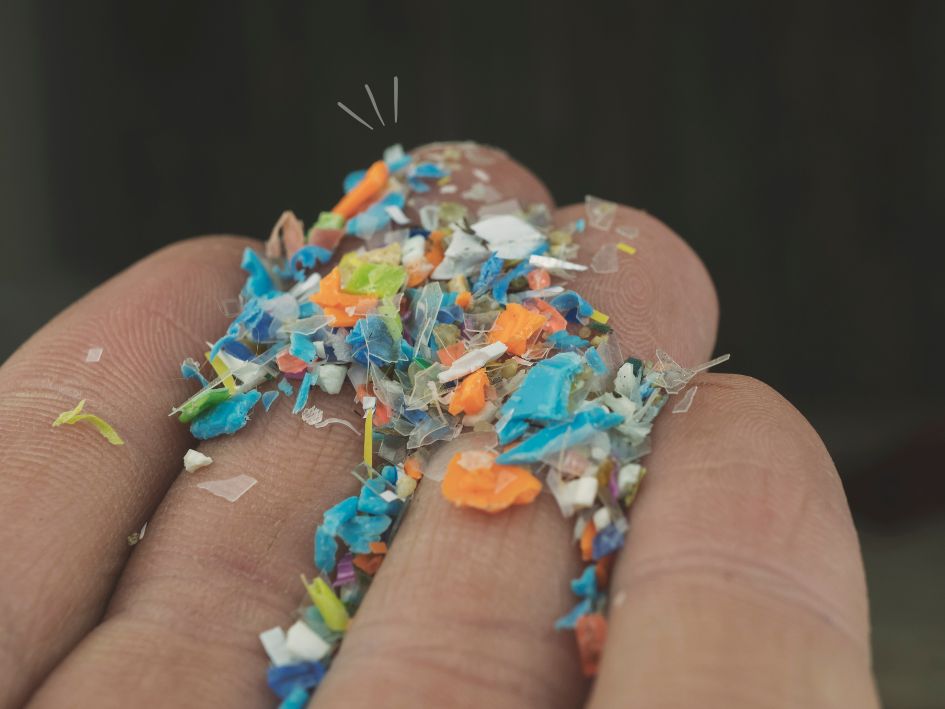
What are microplastics?
Microplastics are small plastic pieces less than 5 millimetres long. Some are made that small on purpose. Most aren’t—they’re what’s left after a bigger piece of plastic slowly falls apart.
Where do microplastics come from?
Most plastic pollution starts the same way: waste that isn’t managed properly. But microplastics reach the ocean through two distinct paths.
Primary microplastics
- Made small on purpose
Tiny polyethylene “microbeads” are added to face washes, toothpaste, and body scrubs as exfoliants. They’re small enough to slip straight through water filtration systems and out into the ocean.
Secondary microplastics
-
Worn down by nature
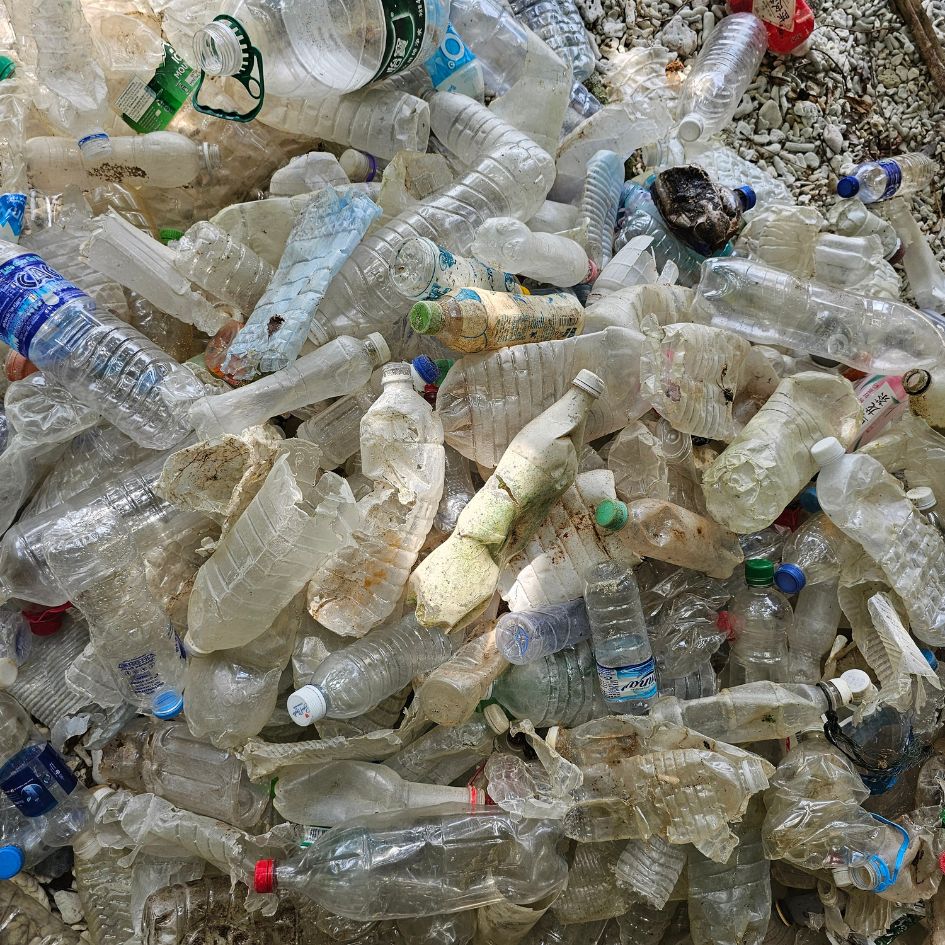
Bigger plastic products—bottles, bags, fishing nets—slowly break apart from sun exposure, heat, and wave action that grinds them into sand and sediment.
A global problem: They don’t stay where they are
Microplastics are not biodegradable; they accumulate and persist. Ocean and water currents scatter them like confetti across the globe, which makes them almost impossible to track, contain, or clean up.
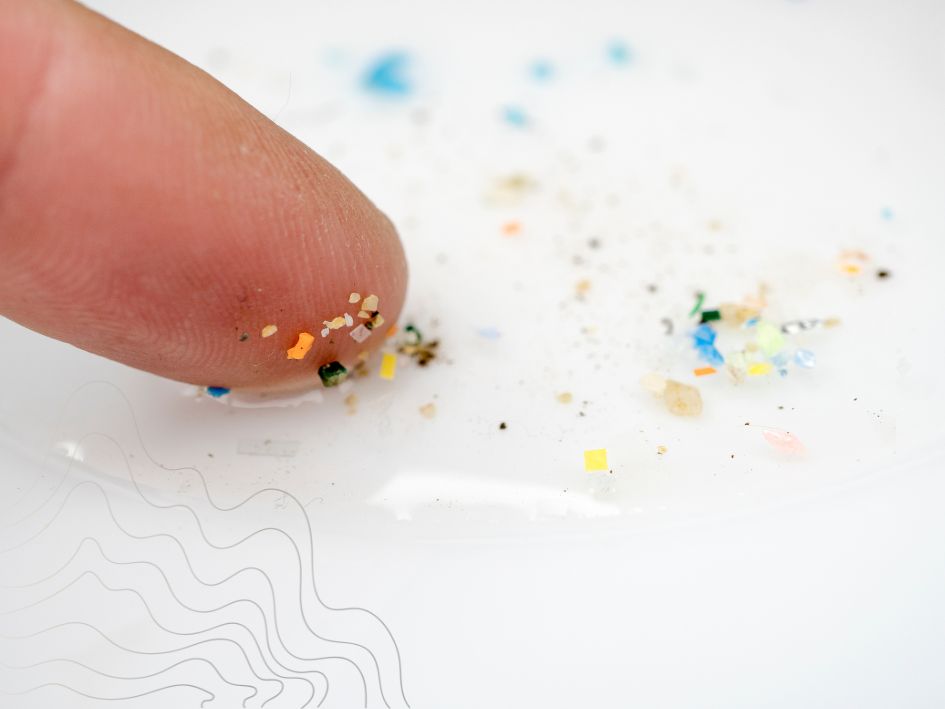
Other Marine Debris
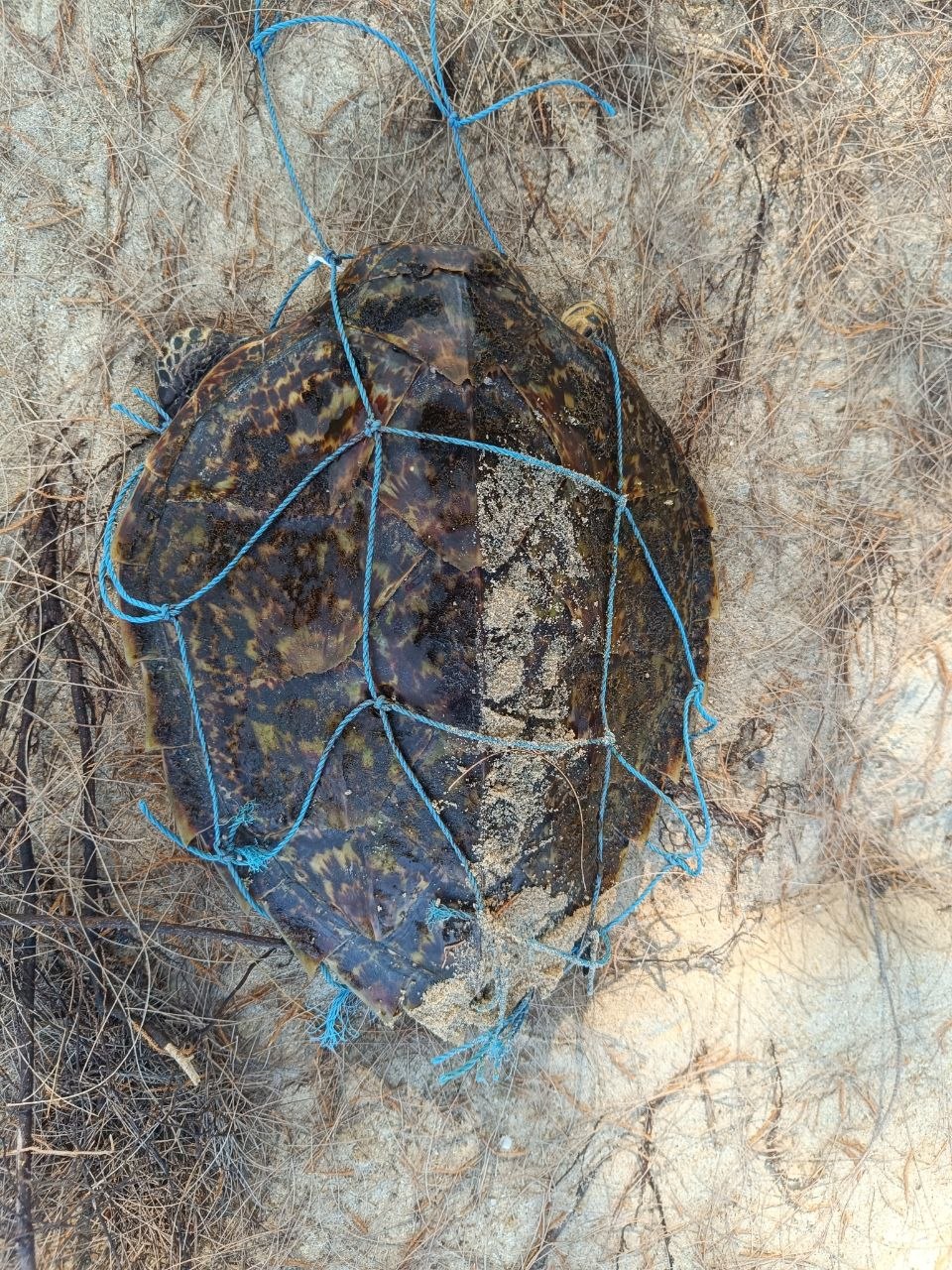
The ripple effects of microplastics
Once microplastics enter the food chain, they don’t just stay with one species. They move from the water, into marine life, and eventually onto our plates.
Marine life
- Mistaken for food by filter-feeding species, like mussels and oysters
- Eaten by crabs, shrimp, and fish
- Can block their digestive systems, enter the bloodstream and other organs
- May disrupt growth, immunity, and reproduction
- Builds up in the food chain through bioaccumulation, where animals higher up in the food chain receive more toxins
Human life
- Humans are exposed to microplastics through food ingestion, including seafood contaminated with microplastics, commercial processed fish, sea salt, honey, etc
- Inhaled from air and household dust
- Found in bottled mineral water
- As humans sit near the top of the marine food chain, these chemicals can build up in our bodies over time
Environment
- Microplastics are found in sand, soil, and water around the world
The full long-term impact is still being studied. What we already know about plastic’s risks is reason enough to act
What can you do to help?
It starts with a few small swaps—small, consistent choices add up. Here’s your action checklist:
- Skip the microbeads
- Check labels for “polyethylene” or “polypropylene” and skip them
- Choose plastic-free or naturally exfoliating products instead
- Cut single-use plastics
- Swap plastic straws, bags, and cups for reusable ones
- Carry your own bottle and a metal or bamboo straw
- Reduce, reuse, recycle
- Sort your waste—plastics belong in the recycling bin, not the ocean
- Support local recycling and plastic-reduction campaigns
- Spread the word
- Tell friends and family what microplastics are and where they come from
- Share this page—the more people know, the more we can protect our oceans together