KUALA LUMPUR, 22 JANUARY 2026 – Reef Check Malaysia’s 2025 Annual Survey Report reveals that the health of Malaysia’s coral reefs continues to decline. The findings are based on data collected using the globally standardised Reef Check methodology, from surveys conducted at 297 locations nationwide by the Reef Check Malaysia team.
The results show that the coral reefs surveyed have a “fair” level of living coral, at 39.94%, a decrease from 44.65% in 2024.
“National average live coral cover reduced from about 44.65% in 2024 to 39.94% in 2025. That’s a loss of 5 percentage points, or about 10% of coral cover in just one year.” said Julian Hyde, Chief Executive Officer of Reef Check Malaysia.
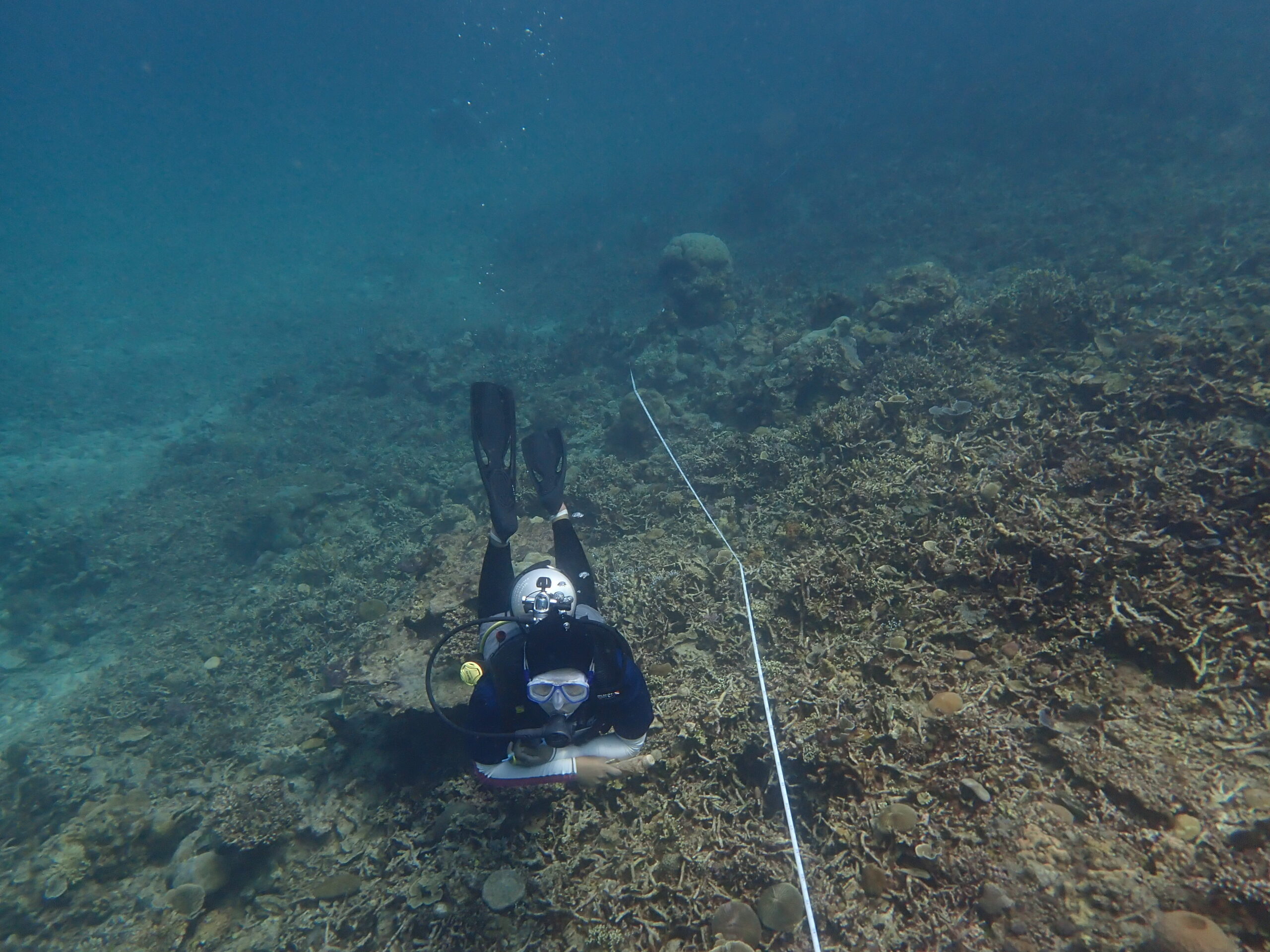
Coral reefs’ health is monitored via the Reef Check survey methodology
“Looking further back, live coral cover was around 50% in 2022. This means that we have lost about 10 percentage points, or about 20% of coral since 2022.1”
“We lost the equivalent of 47,250 football fields worth of coral cover in the last three years”2 Hyde stressed.
Reef Check Malaysia attributes this continuous decline to several factors, including the 4th Global Coral Bleaching Event in 2024, along with unsustainable tourism, pollution coastal development and destructive fishing activities.
The surveys also indicate that most indicator fish and invertebrate populations remain low – even in marine protected areas, where protection might be expected to encourage populations to grow.
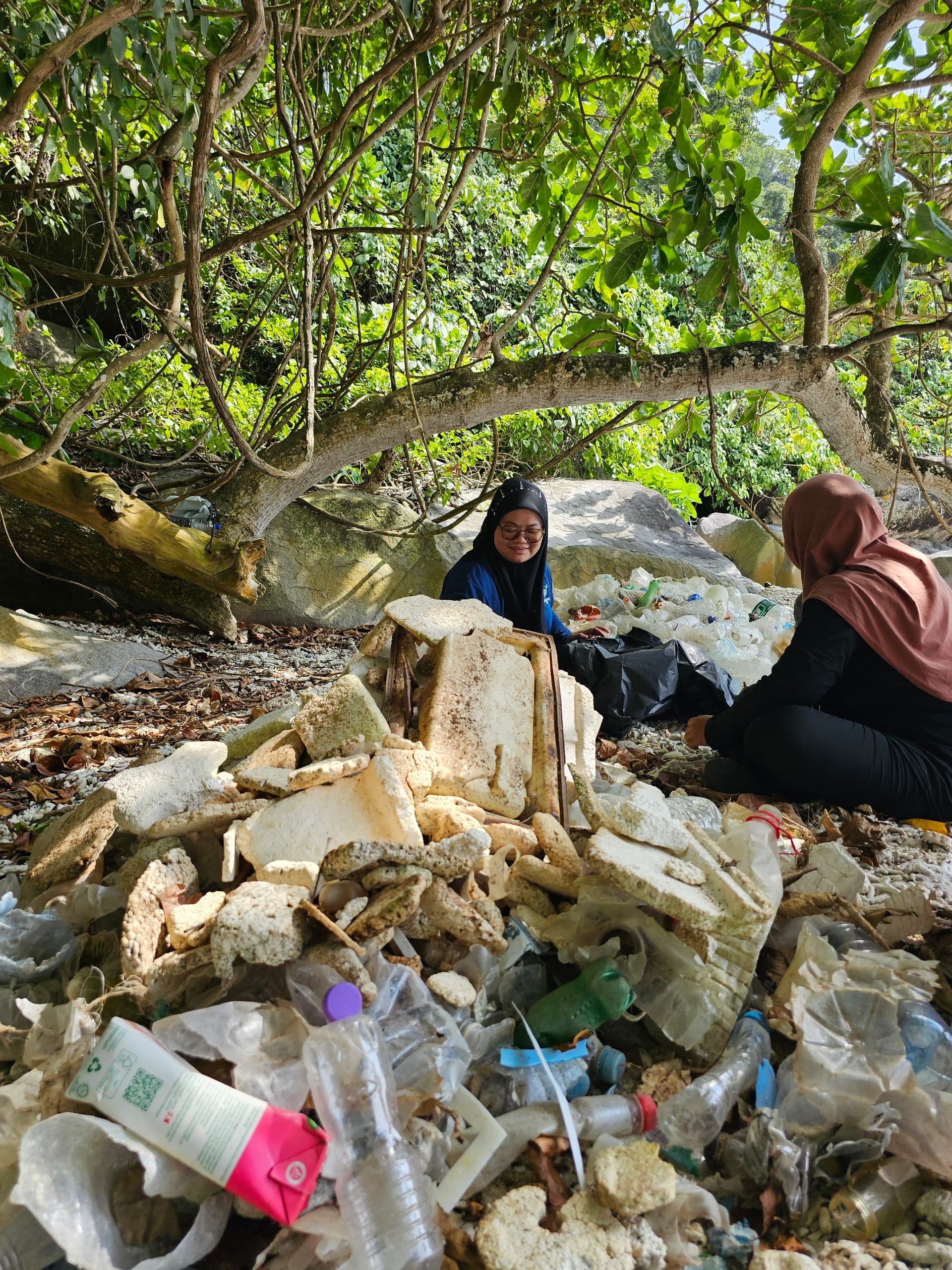
Indicators of disturbance are recorded at high levels in many reef areas. 82.50% of the locations surveyed are impacted by trash, 80% by discarded fishing gear and nets, and 57.50% by boat or anchor damage. Coral bleaching was documented at 67.50% of the locations surveyed.
In Sabah, 33.33% of the locations surveyed recorded dynamite fishing damage.
“These findings matter because coral reefs are critical to jobs and food security for coastal communities,” Hyde explained. “Along with mangroves and seagrass meadows, reefs form nursery systems that support the fish stocks relied upon by small-scale fishers.”
“One estimate suggests there are about 140,000 small scale fishers in Malaysia. That means tens of thousands of households depend on coastal fisheries for food and income, and those livelihoods depend directly on healthy marine ecosystems,” he added.
“Not forgetting that coral reefs are an important tourism product. According to some sources, tourism accounts for 15% of GDP and 25% of employment in Malaysia.” Hyde added.
In response to these findings, Reef Check Malaysia is calling for improved reef protection, with a focus on reducing local stressors and strengthening the role of local communities.
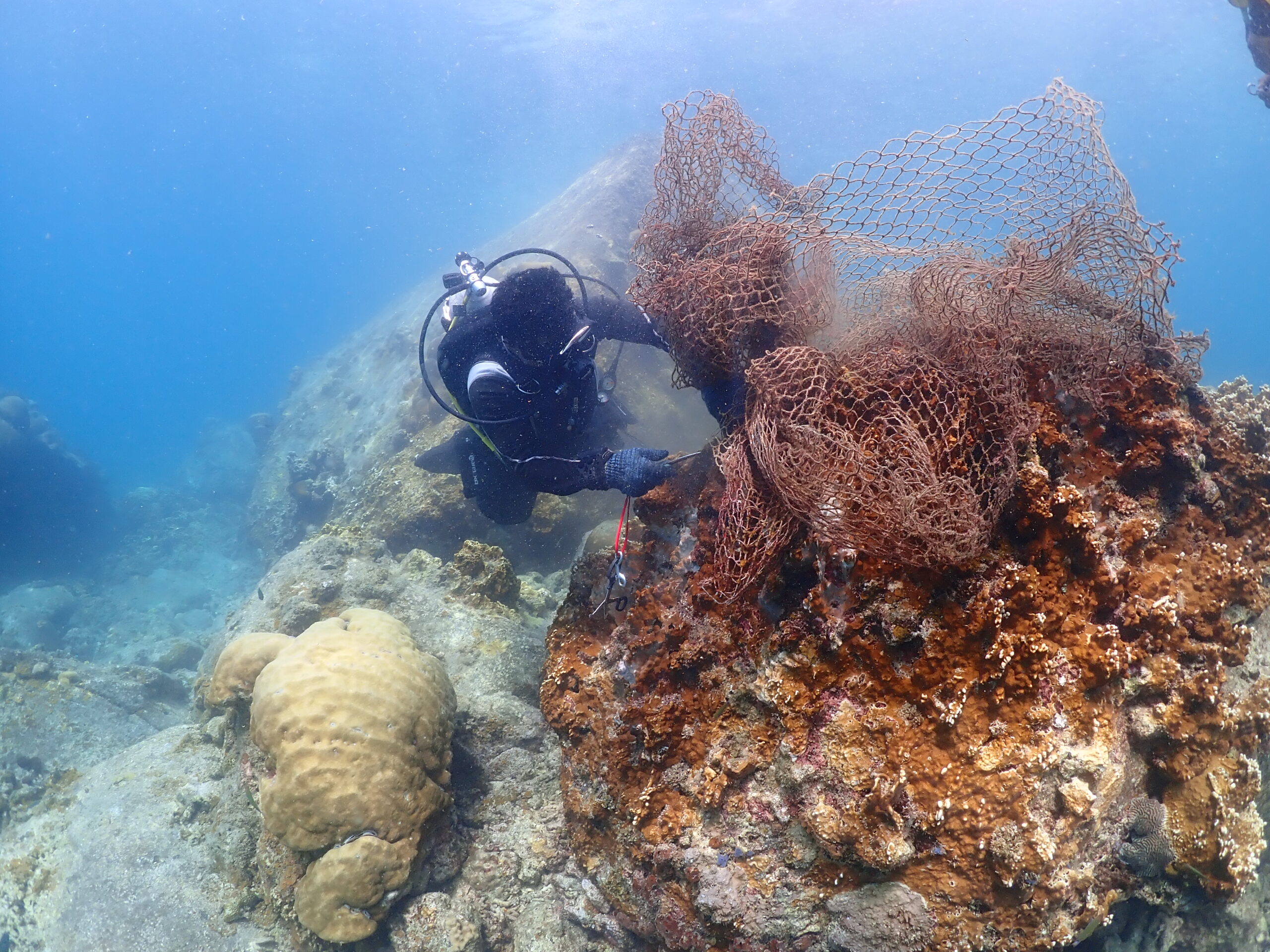
Ghostnets removal done by the Community Marine Conservation Groups (CMCGs) to reduce impact on coral reefs
The organization urges the government to adopt a joint management approach that formally integrates local communities into the management of Malaysia’s Marine Protected Areas (MPAs).
Reef Check Malaysia also emphasizes the importance of building both ecological and economic resilience.
“Resilience is a science-backed approach to reef protection. By reducing local impacts, we give reefs the best possible chance to withstand large-scale external pressures such as climate change,”
“At the same time, resilient communities have diversified livelihoods and are not entirely dependent on coral reefs, which helps reduce pressure on reefs, particularly from tourism.” Hyde explained.
Furthermore, the organization urges the government to consider shifting towards a sustainable tourism model, moving away from mass tourism in favour of environmentally responsible practices.
“We are not anti-tourism – we are pro-sustainable tourism.” Hyde clarified.
Reef Check Malaysia also encourages the public to support, and where possible lead, efforts to advocate for stronger protection of Malaysia’s coral reefs and marine ecosystems.
For more information on Reef Check Malaysia, you may visit them on their website, Facebook and Instagram or contact them at hello@reefcheck.org.my.
-END-