
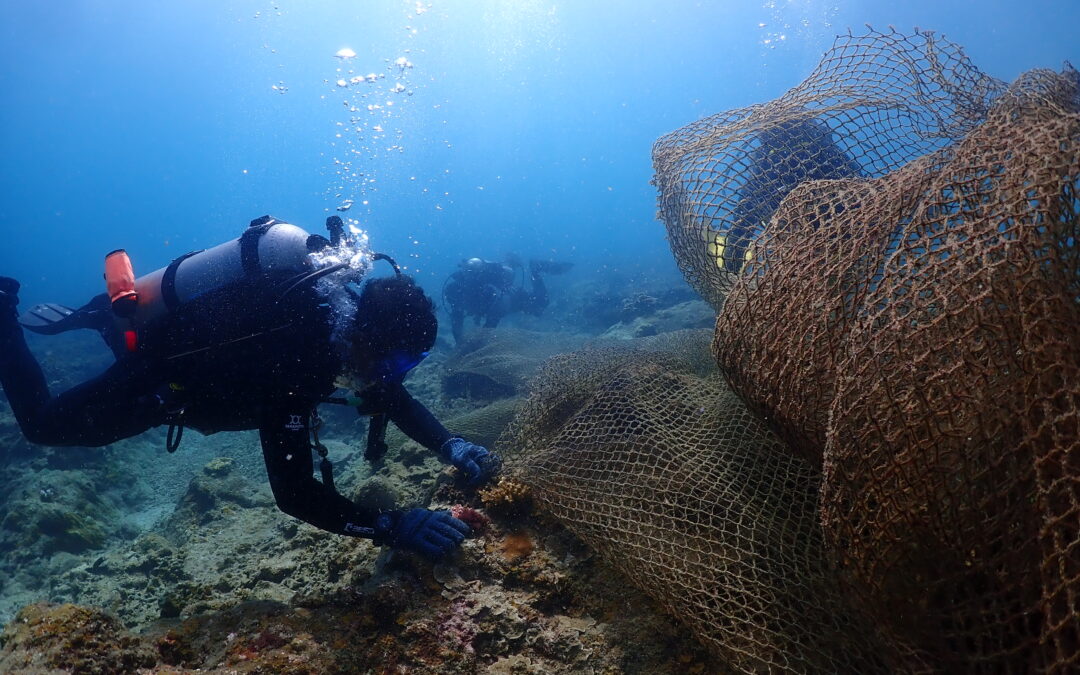
Imagine standing on the shoreline of one of Malaysia’s pristine islands and realising that an area the size of 47,250 football fields has simply vanished beneath the waves since 2022. This isn’t a scene from a dystopian movie; it is the calculated reality of what Malaysia has lost in coral cover. According to the Status of Coral Reefs in Malaysia 2025 report, the national average of live coral cover has dropped from 45% to 39.94% in just twelve months.
While the 2024 global mass bleaching event was the primary catalyst, the underlying story is about our “Human Architecture”—how our government, communities, and businesses ought to work together to protect our most vital natural assets.
The Economic Reality: Why Self-Sustaining is Non-Negotiable
In today’s volatile global economy, being self-sustaining is a survival strategy. Under the National Agrofood Policy 2.0 (DAN 2.0), Malaysia aims to bolster food security by protecting the natural resources that provide our protein.
Our fisheries sector currently maintains a high self-sufficiency ratio, but that system rests entirely on the health of our coral reefs—the “nurseries” of the ocean, add on to the fact that Malaysia consumption rate for fish is one of the highest in the world, so if and when the nurseries collapse, our food security collapses with them. Protecting these ecosystems is the most direct way to insulate our nation from global shocks and ensure that the fishers who feed us can continue to do so, aligning with the 13th Malaysia Plan’s (13MP) focus on high-value, resilient green growth.
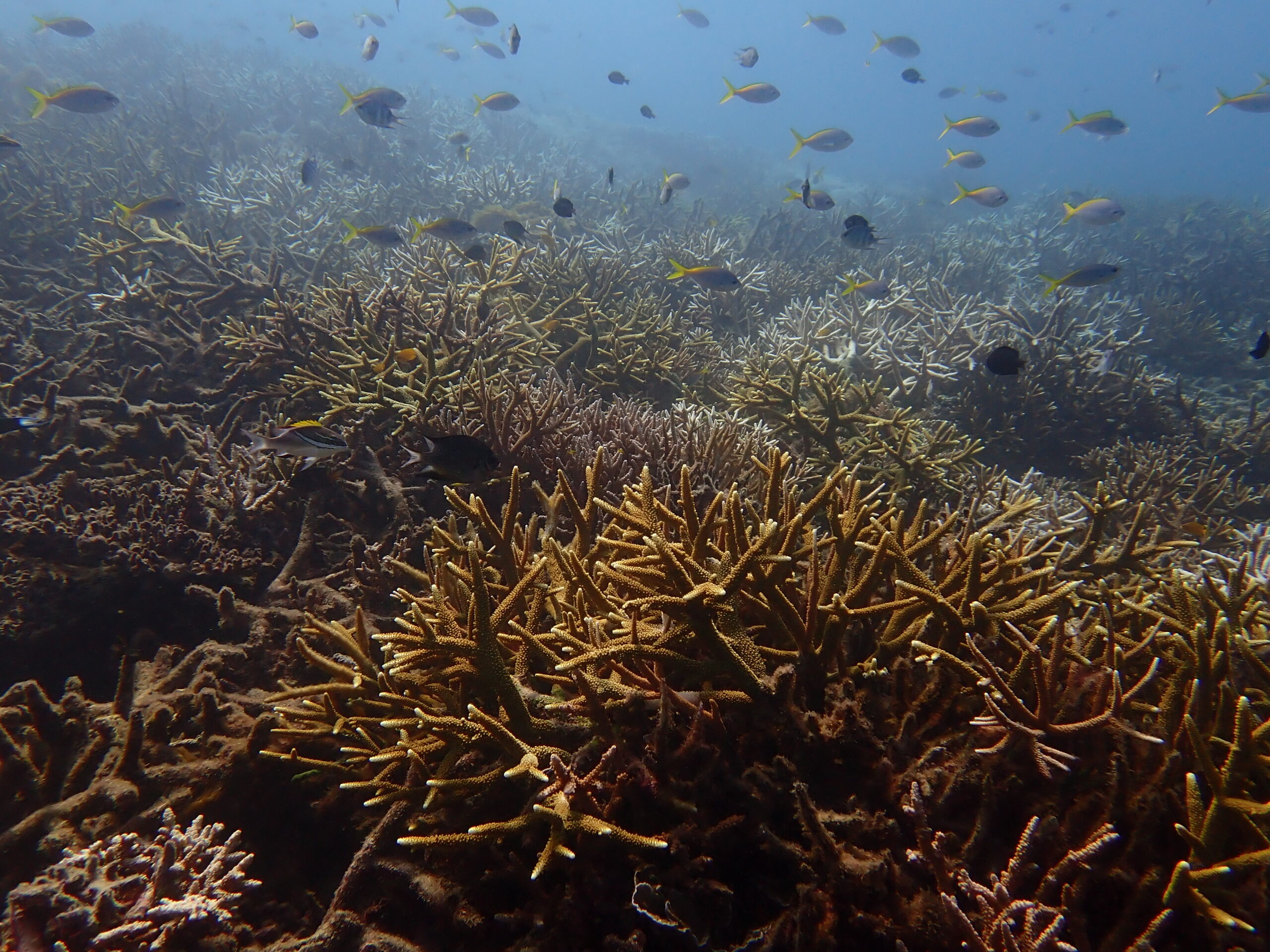
Coral reefs are nurseries of the ocean
The Drivers of Change: Establishing “The People”
To save our reefs and other key coastal ecosystems such as the mangrove forests and seagrass beds, we must move beyond “top-down” mandates. This aligns with the National Biological Diversity Policy (NBDP) 2022-2030, which emphasises that local communities are the primary stewards of our biodiversity. However, translating this high-level vision into a daily reality remains a constant challenge.
The Implementation Gap: Policy vs. Reality
A persistent gap exists between national policies and plans with localised actions. While the 13MP recognises the value of community-led conservation, we face significant jurisdictional silos. Federal authorities set the policy and targets, and State governments hold most of the management authority over land and coastal water use. Without a formal “table” where Federal, State, and local communities can sit together, these policies often struggle to find footing.
True participation means more than consultation; it means giving people a formal role in decision-making. Currently, our Community Marine Conservation Groups (CMCGs) act as “first responders.” When bleaching begins or a “ghost net” entangles a reef, they are there long before a government boat arrives. Yet, they often lack a formal “institutional home” within structures such as the District Action Committees (Jawatankuasa Tindakan Daerah) to ensure their observations lead to immediate enforcement.
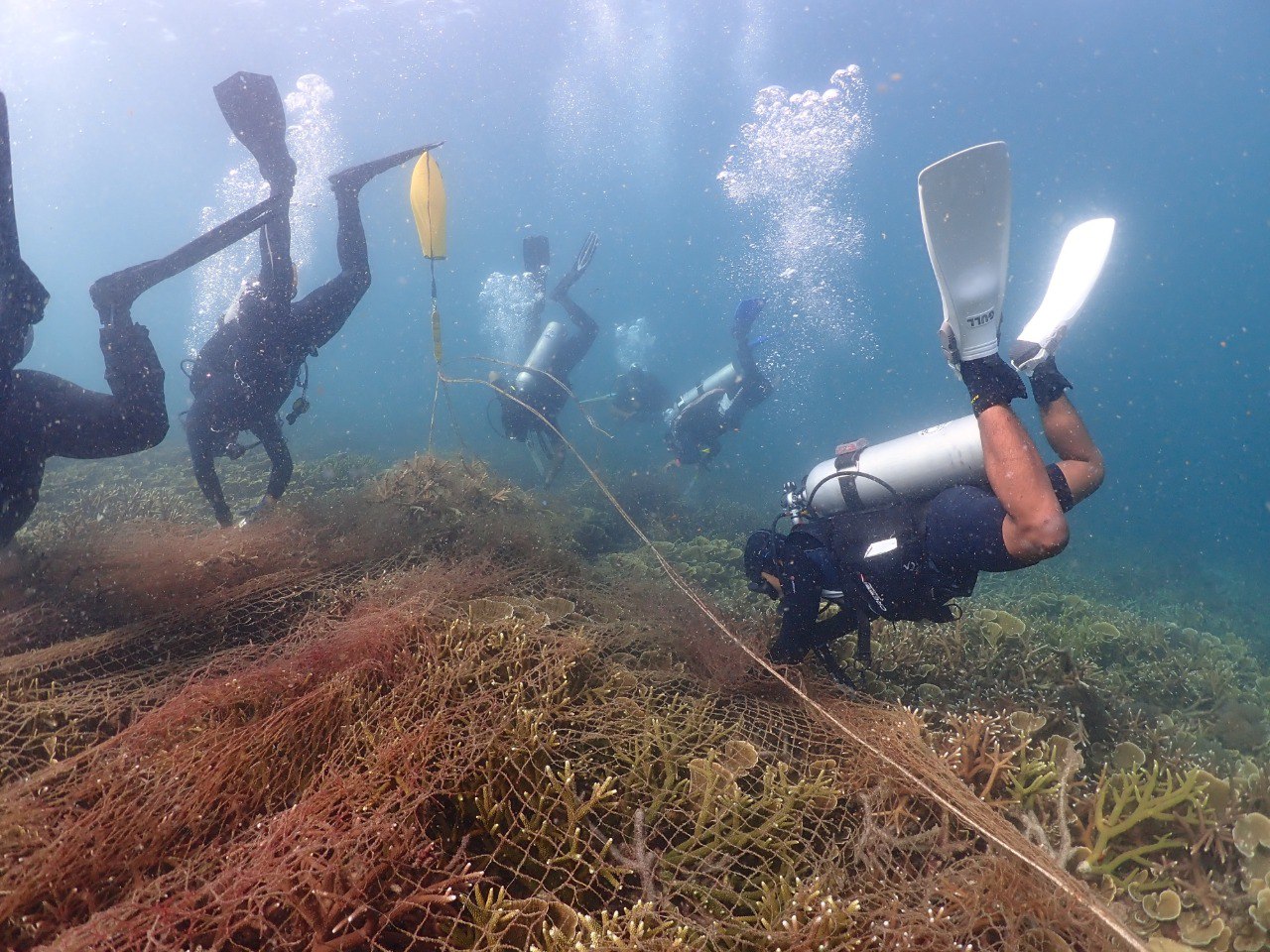
The CMCGs act as first responders to bleaching or ghost nets sightings
The Institutional Maze & The Scientific Bridge
Navigating this maze is a complex dance. Bridging the gap between federal vision and state planning is where the connective tissue comes in.
If the communities are the heart and the government is the skeleton, then experts, scientists, and NGOs are what hold the body together. We translate raw data into policy actions. At Reef Check Malaysia, we’ve developed a Malaysia Bleaching Response Plan that is currently implemented at our sites. It is a blueprint we hope will be adopted as a national standard—the missing link that allows every state to react based on scientific data when the ocean’s temperature rises.
The Participatory Payout: Turning Protection into a Livelihood
We are shifting the narrative from “one-off” corporate social responsibility (CSR) cleanups to a sustainable, recurring investment in people. For example, we generate funds through strategic partnerships with the funders including from the private sector to support our CMCGs.
These funds are channelled directly to our CMCG members as a source of alternative income. By paying local community members to perform critical conservation and critical emergency work—such as removing ghost nets, controlling coral predators, or monitoring bleaching—we turn conservation into a tangible job market. This is the ultimate “payout” of a participatory approach. It ensures those who live by the sea are the ones paid to protect it, transforming stewardship from a volunteer effort into a pillar of local coastal economies.
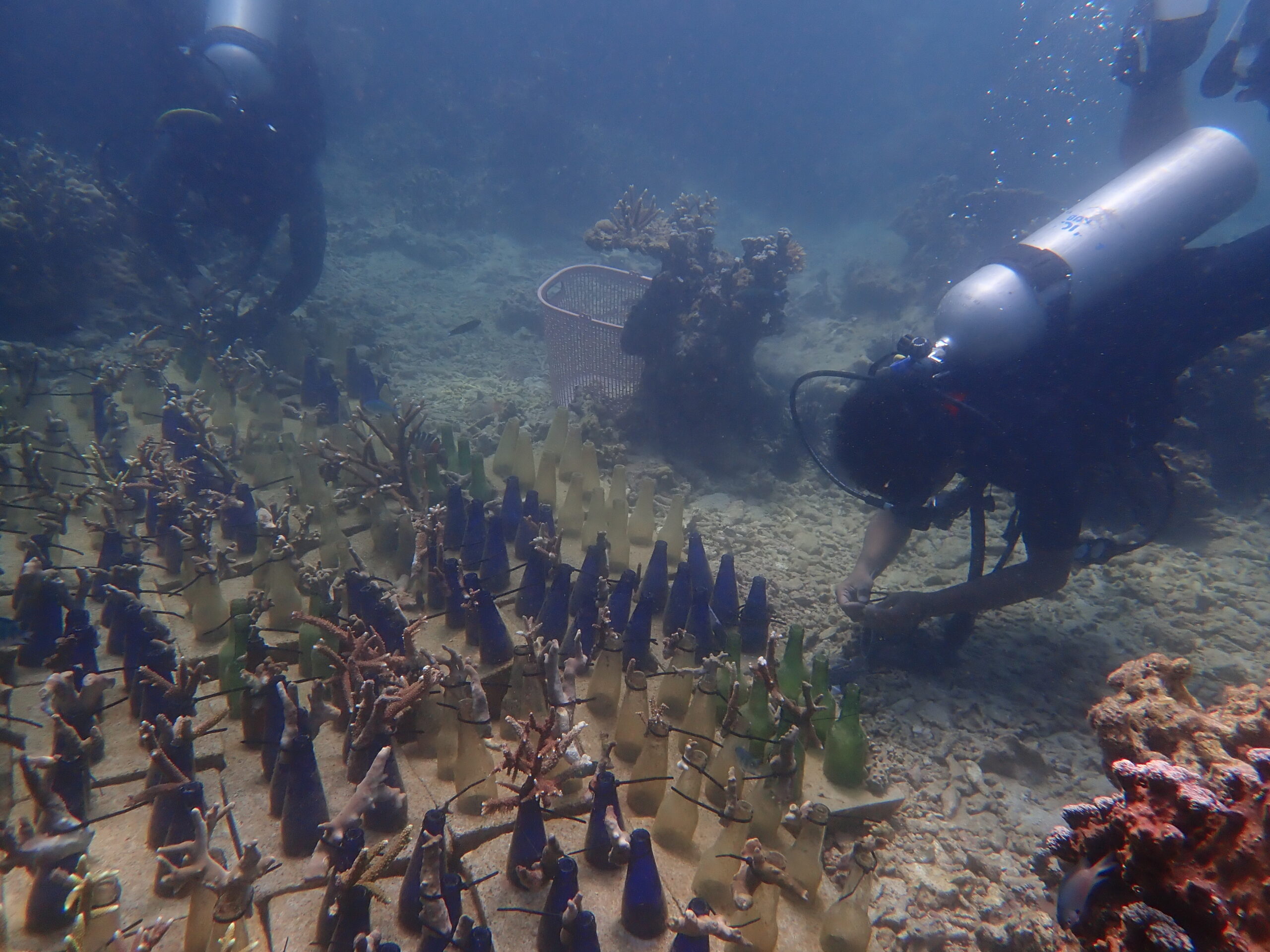
CMCGs get allowance to do conservation work
A Call for Institutional Shift
This model could be scaled through a significant institutional shift aligned with the 13th Malaysia Plan. Government agencies must recognise coral reefs, including mangroves and seagrass beds as “green infrastructure,” as vital as roads or bridges.
We need the legal and financial frameworks to enable and support disbursement of state-level funds to bolster these community funds and for local committees to have a formal mandate to manage these programs. The Ecological Fiscal Transfers (EFTs) is one such financial mechanism designed and led by the Ministry of Natural Resources and Environmental Sustainability (NRES) to bridge the gap between federal conservation goals and state-level development needs.
The Bottom Line
When the Federal government provides the policy, the State provides the planning, and the local communities provides the heart and the observation, we create a shield against climate change. The 2025 coral reef health survey report is a warning, but it’s also an invitation to build a more resilient, self-sustaining Malaysia where protection actually pays.
____________________________________________________________________________________________________
If you’d like to support us, you can follow our social media pages for any updates on our work and volunteering opportunities, or you could also donate towards our cause.