
Cintai Tioman Updates: April – June 2026
20 Years of Making a Difference
For the past 20 years, the KPMG Eco Diver Program has supported marine conservation on Tioman Island through its long-standing partnership with Reef Check Malaysia. Over the years, the programme has contributed to coral reef restoration, reef monitoring, beach cleanups and community initiatives that benefit both the local villagers and marine ecosystems. This year alone, participants removed more than 400 kg of marine debris from Tioman’s shores and donated laptops to SK Tekek, helping support students’ digital learning.
As the programme celebrates its 20th anniversary, it continues to show how long-term partnerships can create lasting benefits for both local communities and the marine environment.
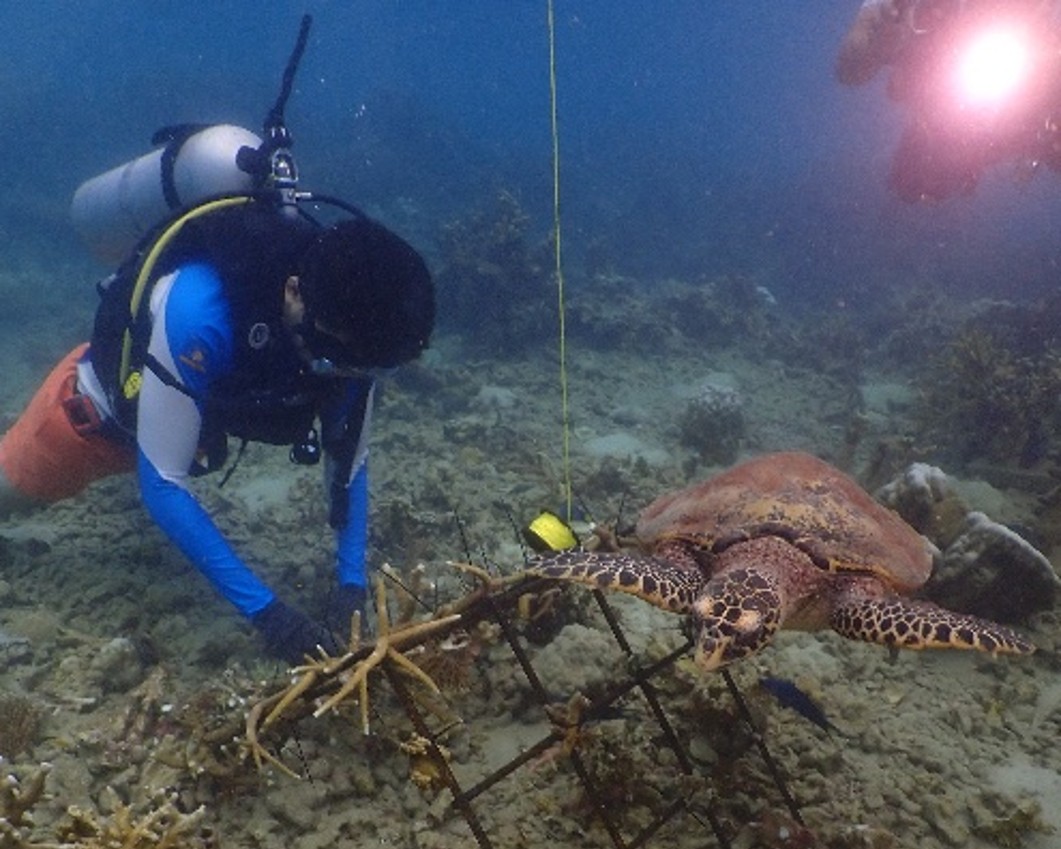
A reef rehabilitation effort by KPMG
Turning Celebrations into Actions
Environmental celebrations are about more than raising awareness—they’re an opportunity to inspire action for our oceans. To mark Earth Day 2026, RCM partnered with the Department of Environment (DOE) to engage students and the Tioman community through interactive games, educational exhibits and hands-on activities. Participants explored Malaysia’s rich marine biodiversity and learned how they can help protect it.
Meanwhile, as part of World Ocean Week 2026, we also joined the Department of Fisheries Malaysia and local conservation partners to protect the reefs around Pulau Tokong Burung Besar. Together, the team removed 100 kg of ghost nets and controlled 80 Crown-of-Thorns starfish (COTs)—two major threats to coral reef health.
From inspiring future ocean stewards to restoring reef habitats, these initiatives show how global environmental days can create lasting impact for people and nature.
Rapid Response Efforts
Protecting Tioman’s reefs takes teamwork. Together with government agencies, local partners and the Tioman community, RCM joined a large-scale cleanup organised by Pahang State Parks Corporation (PTNP) to remove marine debris from the island’s beaches and seabed. The agencies involved are:
– Universiti Kebangsaan Malaysia (UKM),
– Tioman Marine Conservation Group (TMCG),
– Tioman Development Authority (TDA),
– Marine Police,
– Malaysian Maritime Enforcement Agency (MMEA),
– State Economic Planning Division (BPEN), and
– Rompin District Council.
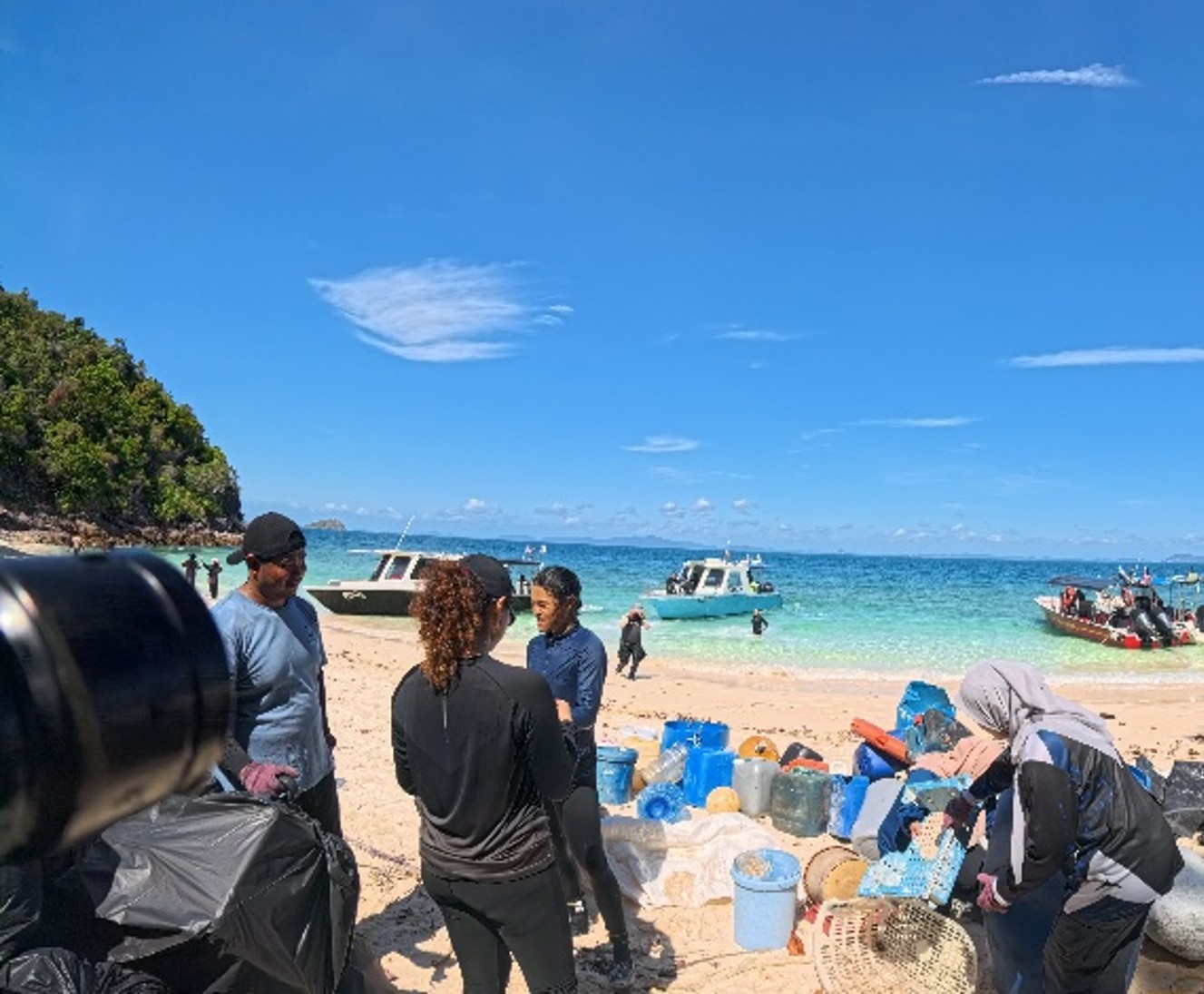
Together, they collected 595 kg of marine debris, including plastic bottles and ghost nets that can damage coral reefs and endanger marine life. Every cleanup is a step towards healthier oceans, while reminding us that protecting our marine environment is a shared responsibility.
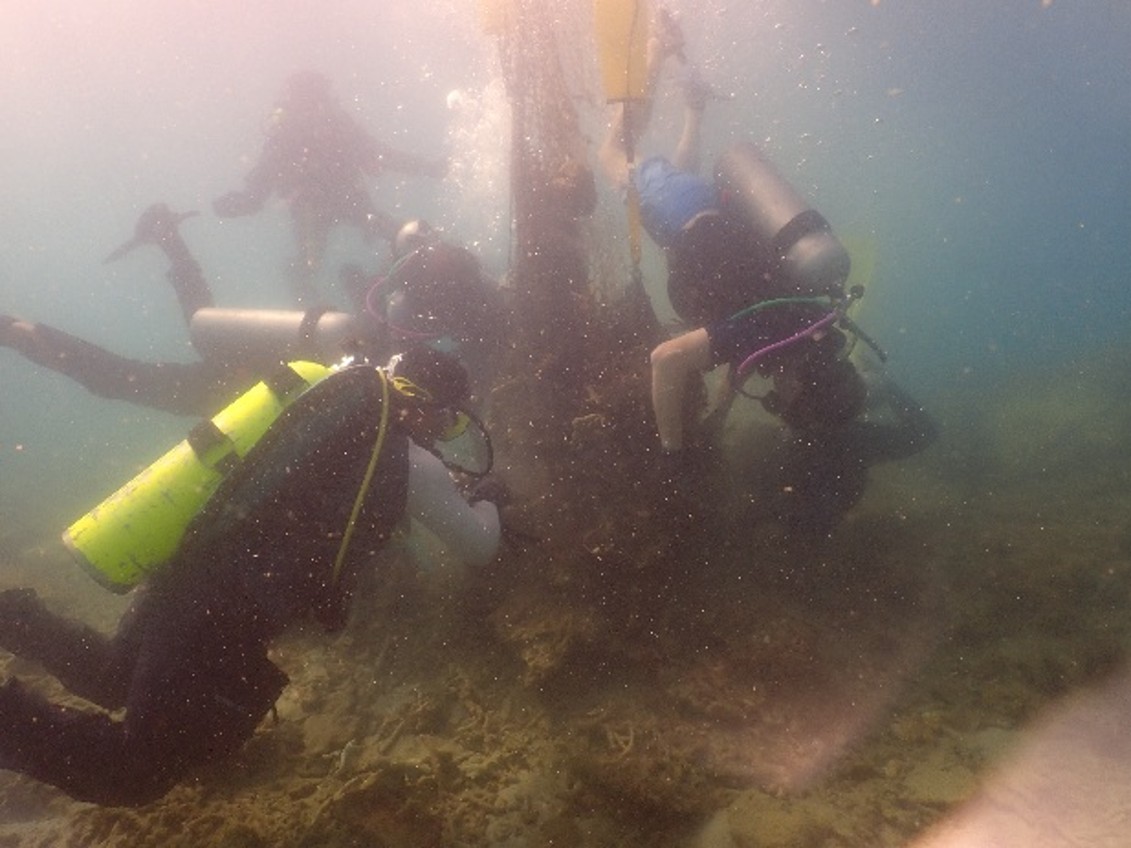
Removing ghost nets
Sorting out marine debris
Checkout these stories
Cintai Mantanani : January – March 2021 News
Our team on the island have been working tirelessly to address the issue of waste management on the island, as there is still no proper municipal waste system in place. We've recently had to spend over RM1,000 to send out the trash collected on the island from...
Cintai Tioman : January – March 2021 News
Our recycling programme on the island has been progressing well since we introduced it in more than 5 years ago. Recently, two more recycling centres (Rumah Hijau) were set up and began operating, in Kampung Mukut and Kampung Salang. Both these recycling centres are...
Reef Check Malaysia releases 2020 annual survey report; urges stakeholders to play their part
Reef Check Malaysia has published its 2020 report on the status and health of coral reefs around Malaysia. The report concludes that, while overall coral reef health is reported to be in fair condition, some areas are showing signs of decline that need to be...