
Of Coral Reefs and Food Security
Just last week, I spoke about the relationship between coral reefs and food security, and how the Reef Check method assesses the health of coral reefs. You can read about it here.
This week, it was discovered that the traditional fishermen of Parit Jawa are facing a quiet crisis. Over the last decade, their fish catch has plummeted by 65%, with annual incomes dropping from RM200,000 to as little as RM30,000. This isn’t just a local issue—it is a warning sign for Malaysia’s national food security.
The primary culprits?
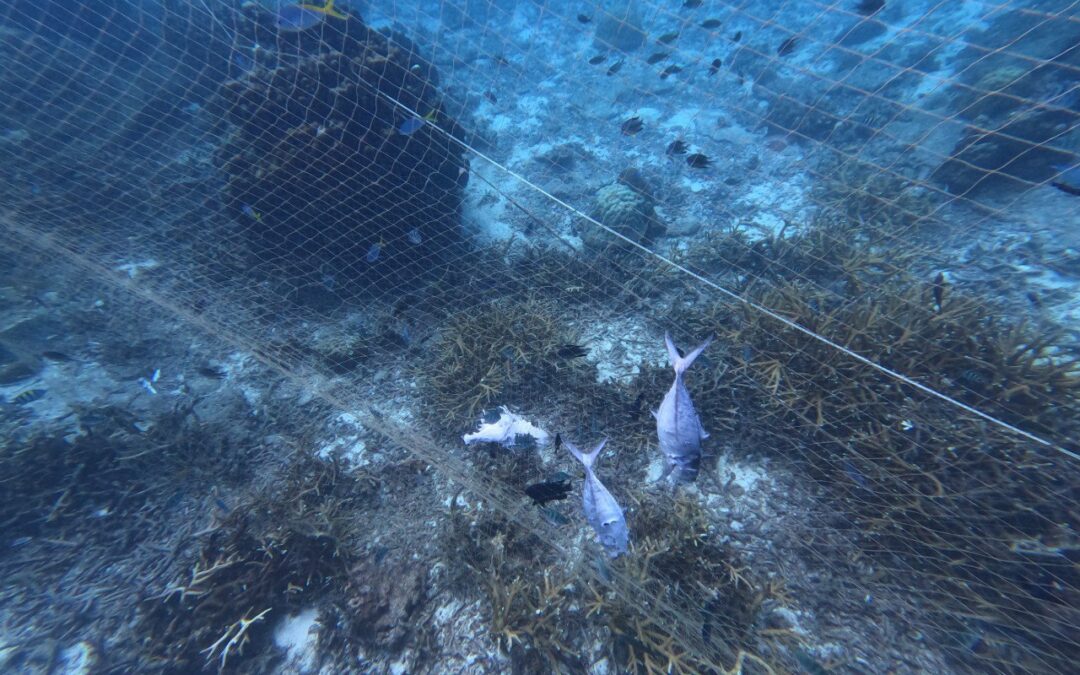
The destruction of critical breeding grounds by sand mining and the encroachment of illegal trawlers into Zone A. When we lose our mangroves, seagrass meadows, and coral reefs, we lose the nurseries that sustain 67.5% of our total marine catch provided by small-scale fishers.
The APPGM-SDG Policy Report 2025
On June 25, 2026, the APPGM-SDG officially launched four landmark policy reports, including “Dari Ekosistem Pantai ke Penuaian” (From Coastal Ecosystems to Harvest), to address these structural challenges through legislative and community-level recommendations.
The APPGM-SDG Policy Report 2025 proposes two urgent strategic actions:
- Establish a Dedicated Thematic Working Group (TWG): We must establish a TWG on marine and coastal ecosystems under the National Policy on Biological Diversity (NPBD). This group would provide the necessary institutional leadership to coordinate federal and state agencies, ensuring that mangroves, seagrass, and coral reefs receive the same priority and funding as terrestrial systems.
- Develop a National Plan of Action for Small-Scale Fisheries (NPOA-SSF): Aligned with FAO guidelines, this plan is essential to secure the livelihoods of over 140,000 small-scale fishers. It focuses on institutionalising community-based management, expanding innovative financing like ecological fiscal transfers, and—most critically—strengthening enforcement capacity to eliminate the illegal trawling that currently devastates communities like Parit Jawa.
RCM was commissioned to develop the policy brief and recommended the 2 main following proposals for consideration.
This launch is timely following, RCM’s presentation at the Special Select Committee on Environment, Science and Plantation last year that the nation’s food security is not only at the peril of climate change, closer to home, we need to preserve and sustainably manage the marine and coastal habitat that serves as nurseries to fish.
We cannot achieve SDG 2 (Zero Hunger) or SDG 14 (Life Below Water) without political commitments to marine resource management. When launching the 13th Malaysia Plan, the Prime Minister iterated that future economic progress is fundamentally bound to environmental thresholds.
It is time to translate field research into actionable governance to ensure our coastal ecosystems remain resilient for generations to come.
Facebook link to APPGM-SDG news: https://www.facebook.com/APPGMSDGMY
If you’d like to support us, you can follow our social media pages for any updates on our work and volunteering opportunities, or you could also donate towards our cause.