Interactive Map Brings Insight into Malaysia’s Coral Reef Health

KUALA LUMPUR, 22 JANUARY 2026 – Reef Check Malaysia’s 2025 Annual Survey Report reveals that the health of Malaysia’s coral reefs continues to decline. The findings are based on data collected using the globally standardised Reef Check methodology, from surveys conducted at 297 locations nationwide by the Reef Check Malaysia team. 

The results show that the coral reefs surveyed have a “fair” level of living coral, at 39.94%, a decrease from 44.65% in 2024. 

“National average live coral cover reduced from about 44.65% in 2024 to 39.94% in 2025. That’s a loss of 5 percentage points, or about 10% of coral cover in just one year.” said Julian Hyde, Chief Executive Officer of Reef Check Malaysia. 
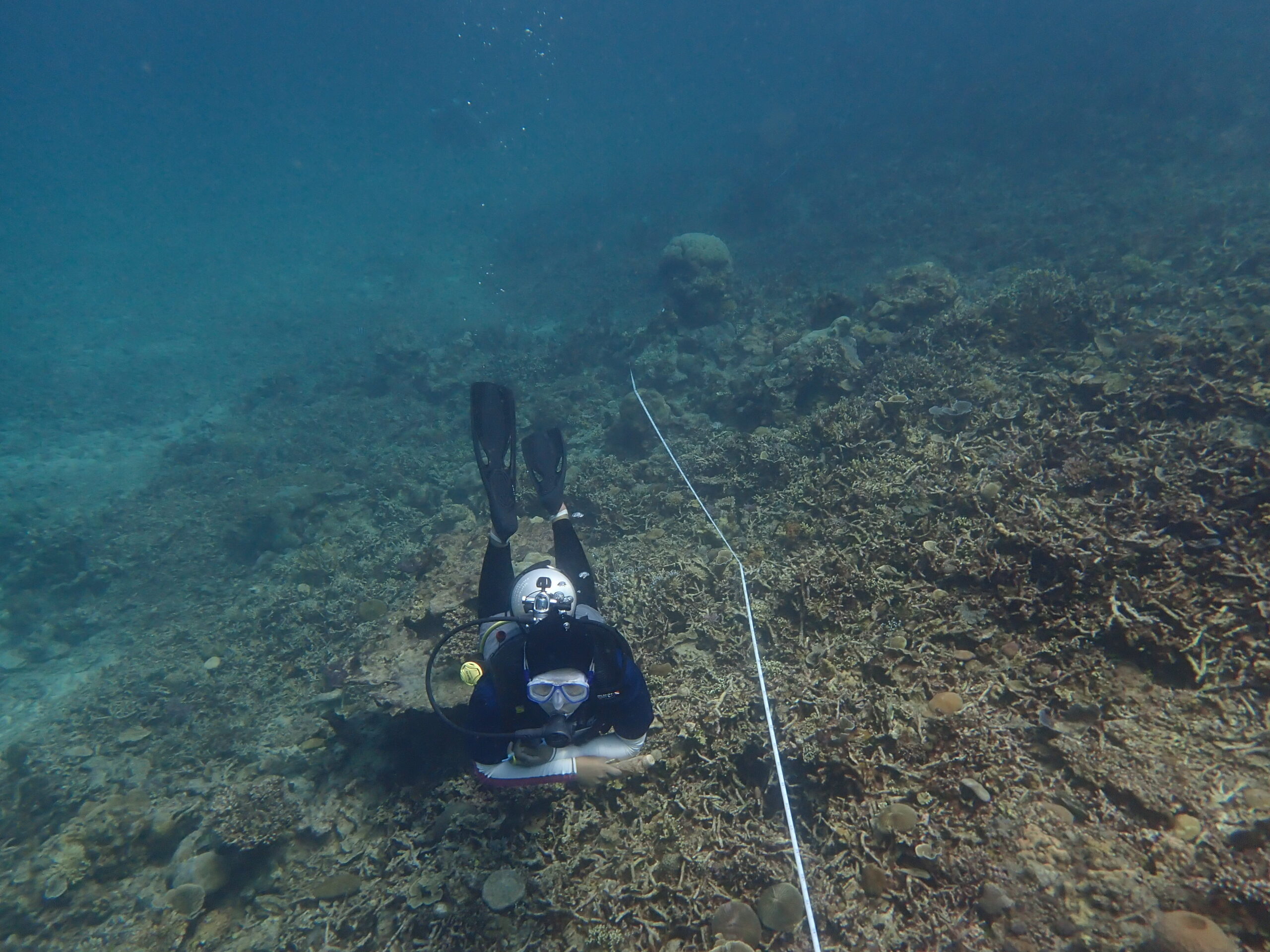
Coral reefs’ health is monitored via the Reef Check survey methodology  

“Looking further back, live coral cover was around 50% in 2022. This means that we have lost about 10 percentage points, or about 20% of coral since 2022.1”  

“We lost the equivalent of 47,250 football fields worth of coral cover in the last three years2 Hyde stressed. 

Reef Check Malaysia attributes this continuous decline to several factors, including the 4th Global Coral Bleaching Event in 2024, along with unsustainable tourism, pollution coastal development and destructive fishing activities. 

The surveys also indicate that most indicator fish and invertebrate populations remain low – even in marine protected areas, where protection might be expected to encourage populations to grow. 

Indicators of disturbance are recorded at high levels in many reef areas. 82.50% of the locations surveyed are impacted by trash, 80% by discarded fishing gear and nets, and 57.50% by boat or anchor damage. Coral bleaching was documented at 67.50% of the locations surveyed.  

In Sabah, 33.33% of the locations surveyed recorded dynamite fishing damage. 

“These findings matter because coral reefs are critical to jobs and food security for coastal communities,” Hyde explained. “Along with mangroves and seagrass meadows, reefs form nursery systems that support the fish stocks relied upon by small-scale fishers.”  

“One estimate suggests there are about 140,000 small scale fishers in Malaysia. That means tens of thousands of households depend on coastal fisheries for food and income, and those livelihoods depend directly on healthy marine ecosystems,” he added. 

“Not forgetting that coral reefs are an important tourism product. According to some sources, tourism accounts for 15% of GDP and 25% of employment in Malaysia.” Hyde added. 

In response to these findings, Reef Check Malaysia is calling for improved reef protection, with a focus on reducing local stressors and strengthening the role of local communities. 
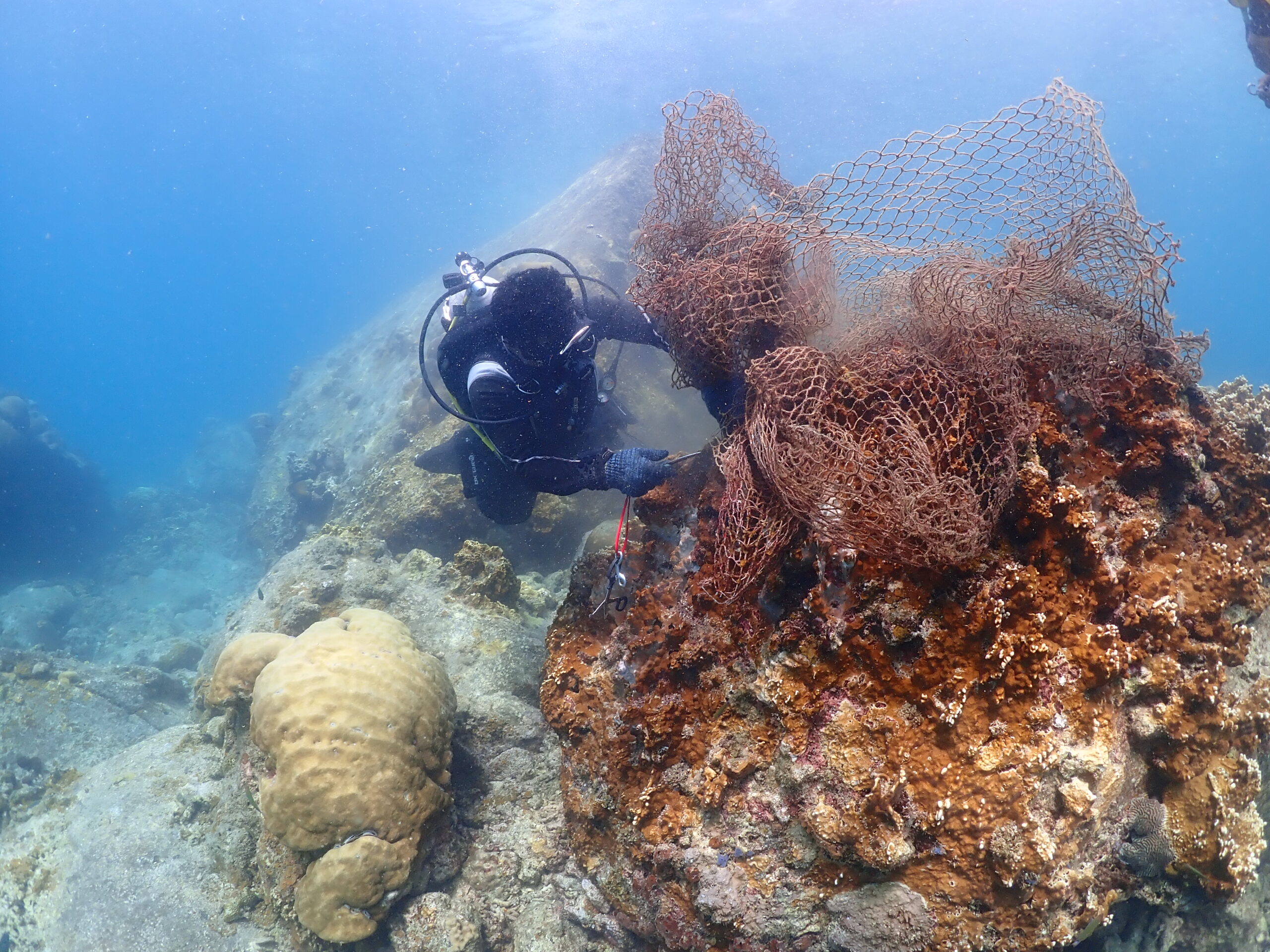
Ghostnets removal done by the Community Marine Conservation Groups (CMCGs) to reduce impact on coral reefs 

The organization urges the government to adopt a joint management approach that formally integrates local communities into the management of Malaysia’s Marine Protected Areas (MPAs). 

Reef Check Malaysia also emphasizes the importance of building both ecological and economic resilience. 

“Resilience is a science-backed approach to reef protection. By reducing local impacts, we give reefs the best possible chance to withstand large-scale external pressures such as climate change,”  

“At the same time, resilient communities have diversified livelihoods and are not entirely dependent on coral reefs, which helps reduce pressure on reefs, particularly from tourism.” Hyde explained. 

Furthermore, the organization urges the government to consider shifting towards a sustainable tourism model, moving away from mass tourism in favour of environmentally responsible practices. 

“We are not anti-tourism – we are pro-sustainable tourism.” Hyde clarified. 

Reef Check Malaysia also encourages the public to support, and where possible lead, efforts to advocate for stronger protection of Malaysia’s coral reefs and marine ecosystems. 

For more information on Reef Check Malaysia, you may visit them on their website, Facebook and Instagram or contact them at hello@reefcheck.org.my.   

-END- 

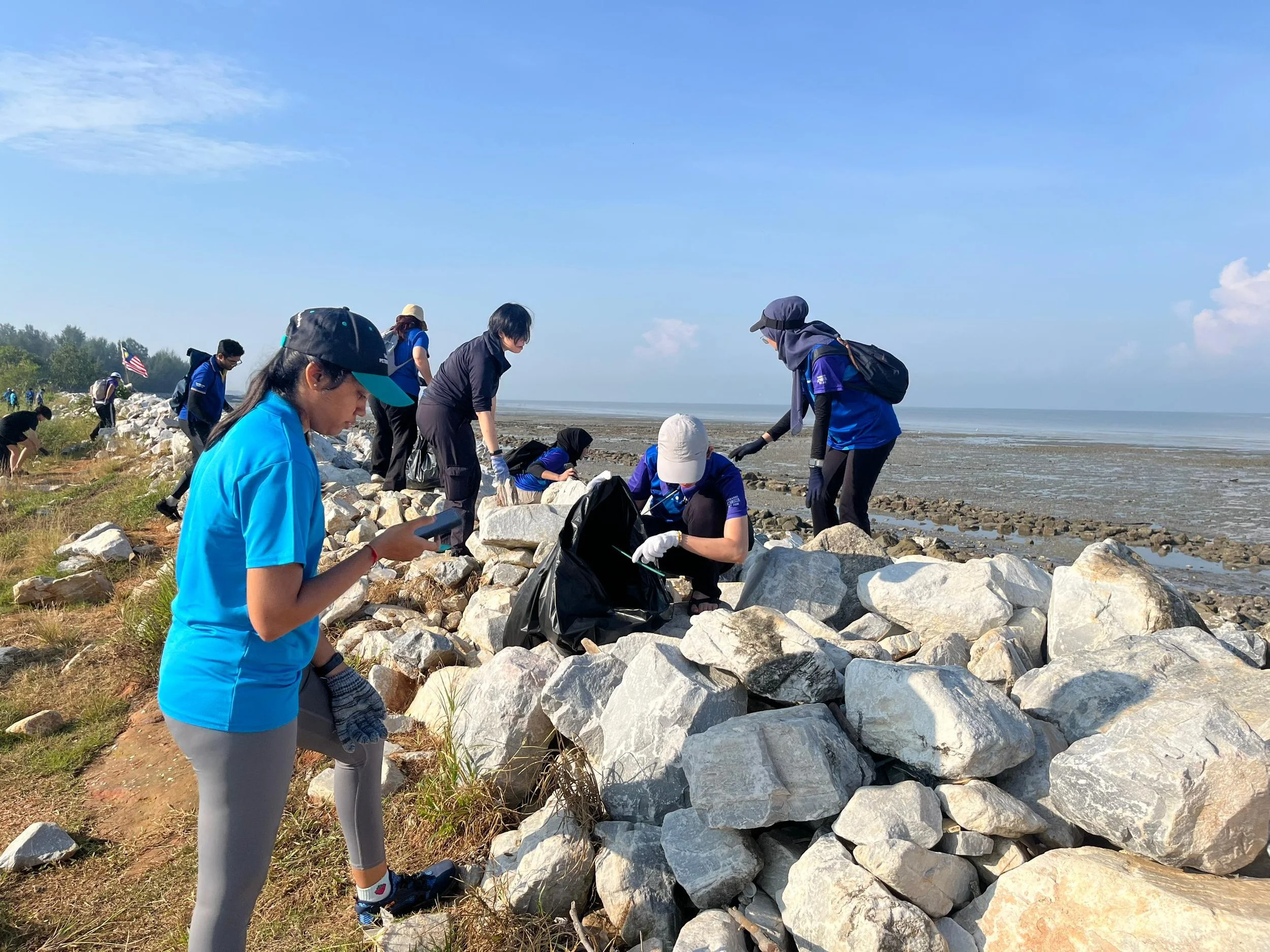
KUALA LUMPUR, 18 OCTOBER 2024 – 8,569 volunteers from all around Malaysia collected 41,015kg of trash during the annual International Coastal Cleanup (ICC) event in September 2024.

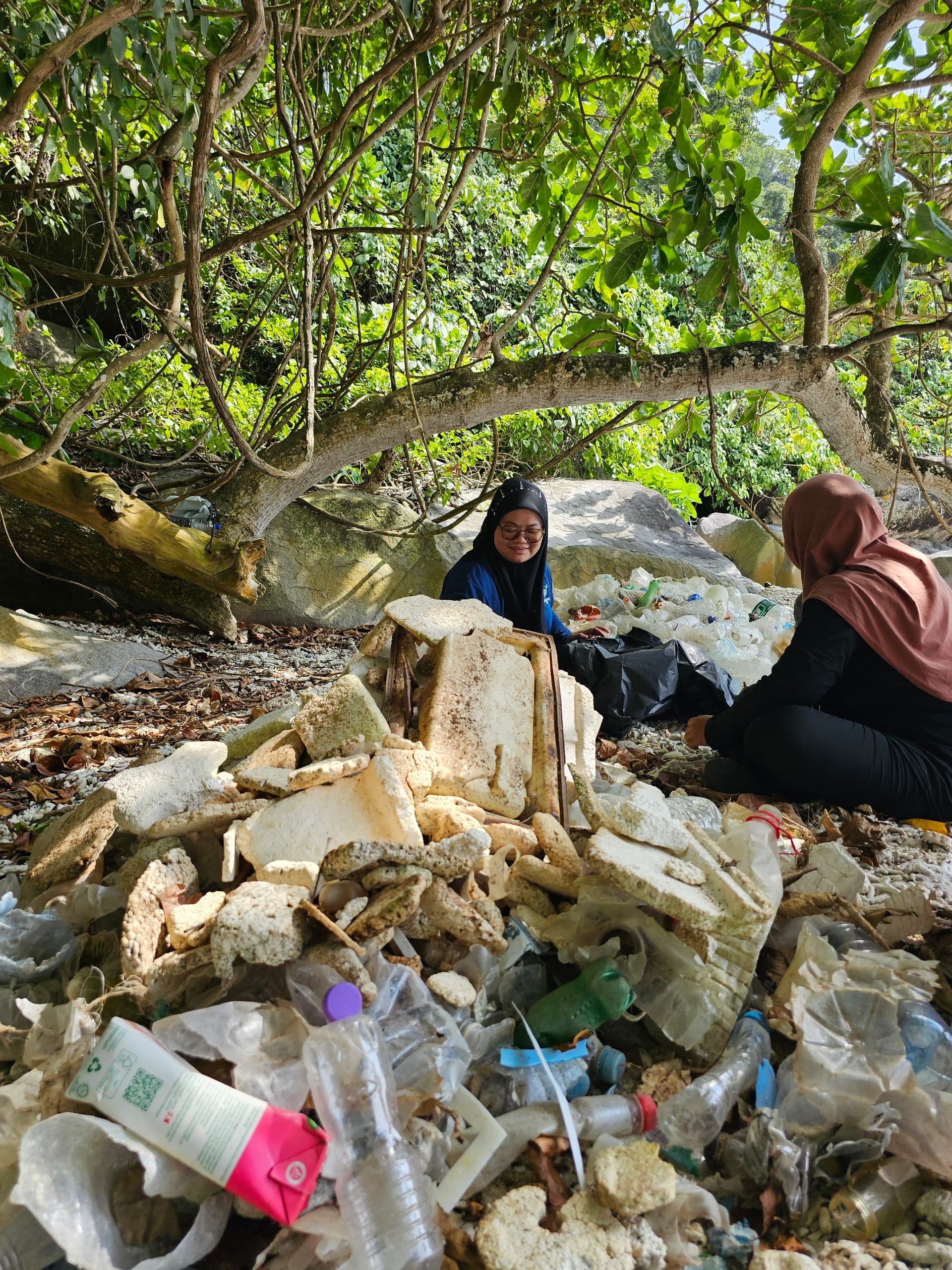
Among 388,730 items collected, the most common item found was plastic bottles at 50,785 bottles. The second and third most common items were cigarette butts at 39,584 pieces and plastic/foam pieces at 38,801 pieces.

Reef Check Malaysia (RCM) coordinates the nationwide ICC in Malaysia every year since 2018. Organizations, groups and individuals collect data during the cleanup and key in data into the Clean Swell app to contribute to the global database of cleanups by Ocean Conservancy.

Tengku Zatashah, Princess Beach Cleanup in action

Y.A.M Tengku Zatashah binti Sultan Sharafuddin Idris Shah, the princess of Selangor, who is also fondly known as ‘Princess Beach Cleanup’, also participated in this year’s ICC. “The International Coastal Cleanup is an event I look forward to every year since 2017. Participating in beach cleanups allows us to see the problem firsthand and take action to address it. I encourage everyone to do their part in keeping our oceans clean.” commented Tengku Zatashah who joined the ICC at Pantai Morib Baharu in Selangor this year.

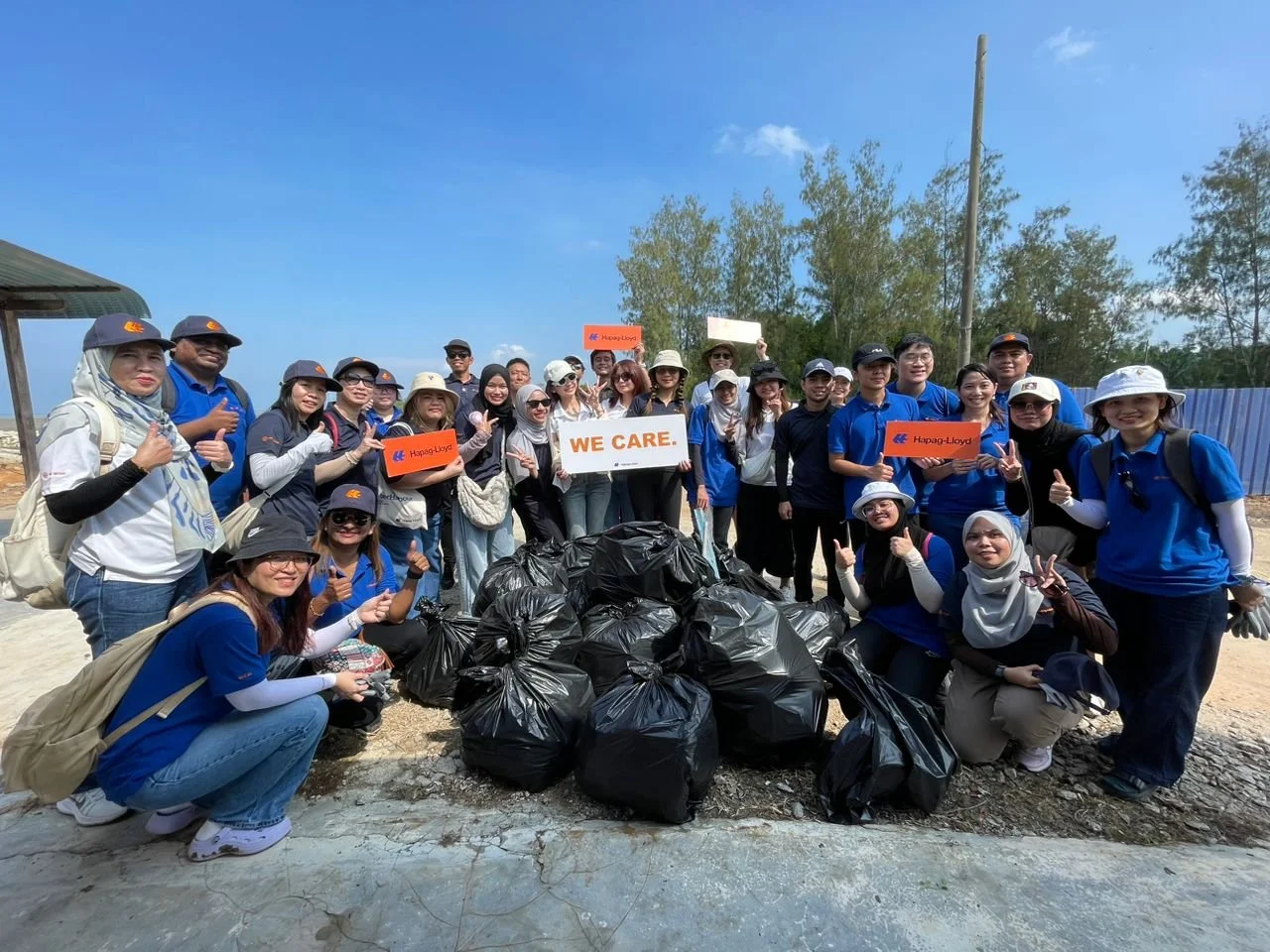
Proud volunteers of Hapag-Lloyd Business Services Malaysia that cleaned up Pantai Batu 23

This year’s ICC was supported by Hapag-Llyod Business Services Malaysia and KPMG Malaysia. Hapag-Llyod Business Services Malaysia’s volunteers cleaned Pantai Batu 23 for ICC and collected 54.75 kg of trash. KPMG Malaysia chose to clean Pantai Remis, Kuala Selangor and collected 126.61kg of trash.

Coastal Cleanup is an event I look forward to every year since 2017. Participating in beach cleanups allows us to see the problem firsthand and take action to address it. I encourage everyone to do their part in keeping our oceans clean.” commented Tengku Zatashah who joined the ICC at Pantai Morib Baharu in Selangor this year.

KPMG volunteers cleared 126.61kg of trash from Pantai Remis

Reef Check Malaysia also held their Kod Blue: Laut Needs You event as part of the International Coastal Cleanup (ICC). Volunteers for Kod Blue 2024 which happened on 7 September at Kampung Air Batang, Tioman Island, collected 757.7kg of trash from the beach cleanup and 50.8kg of trash from the underwater cleanup. The underwater cleanup team also removed 62 coral predators, the Crown-of-Thorns starfish (COT).

All Kod Blue 2024 volunteers before the cleanups

“The objective of the event is to spread awareness about the issue of marine debris while bringing together the general public and the local community of Tioman Island,” said Theresa Ng, Chief Operating Officer of Reef Check Malaysia. “Kod Blue is an homage to the term used to mean ’emergency’ in the medical field, and ‘blue’ is also a nod to the ocean.”

The second event in the series featured a conservation talk by Reef Check Malaysia’s Chief Programmes Officer, Alvin Chelliah, a special ‘Action Camera Underwater Videography’ workshop by Reef Check Malaysia’s ambassador, Baki Zainal, a beach and underwater cleanup, a ‘Pasar Malam Mesra Alam’ offering local delicacies from the Tioman Island community, a glass crusher and coral block workshop, and a movie night.

Volunteers segregated trash according to types

The event was supported by sponsors including Migalabs, Diamond & Platinum, REEF, Bose, Sol Sauce Sunscreen, Akkord Scents, Nautika Scuba Centre, B&J Diving Centre, Small Towns Malaysia, Ryan’s Special Needs Care Centre, Garmin Malaysia, Cowa, MobyTek, and Nazri’s Place.

“We are grateful for our sponsors for their generous sponsorship and support for Kod Blue 2024.” commented Theresa.

“We also would like to thank our ambassadors, Sharifah Sofia and Baki Zainal, all of our volunteers including representatives from Tioman Development Authority, Department of Fisheries (DOF), Alam Flora, SWCORP ROMPIN, PERHILITAN Department, Tioman Police, SMK Tekek (Nature Lovers Club), and Malaysia Civil Defence Force for participating in our cleanup effort.” added Theresa.

A TMCG member who supported our cleanup weighed all trash collected

Every year, millions of tons of trash—including an estimated 11 million metric tons of plastic waste—flows into the ocean, impacting more than 800 marine species and even entering the food chain.

“When I first heard about Kod Blue 2024, I was excited, and I think it is a good chance to be part of conservation work with experts in the field. It was not easy to make time for this event, but I am very happy I did. I get to meet like-minded people, and I enjoy every second of the activities. I have a lot of takeaways from this event” commented Yvonne Jong, one of the underwater participants of Kod Blue 2024.

For more information on Reef Check Malaysia, you may visit them on their website, Facebook and Instagram or contact them at hello@reefcheck.org.my.

-END-
Other Press Releases