
EcoDiver Training in Hawaii
I’ve been in Hawaii for two weeks now, helping a fledgling Reef Check Hawaii to get established. I haven’t actually done much training recently – or diving, come to that! But it’s been reassuring that it comes back quickly!
Diving here is interesting. The reefs are not as diverse as in Malaysia—not surprisingly, given that Malaysia is part of the Coral Triangle. But the water quality is great, and there are ample opportunities to spot mega fauna. Two days ago, a manta ray slid slowly past our team while we were doing surveys; today, a 4-metre tiger shark came to visit the team on a training dive!


Islander Partners Improve Resource Management
(Photo: All together now: Tioman islanders and NGO members remove reef-smothering ghost nets. Pic by Reef Check Malaysia)Locals must be involved in managing their own islands and island resources, says Julian Hyde. It is better for community empowerment and for...
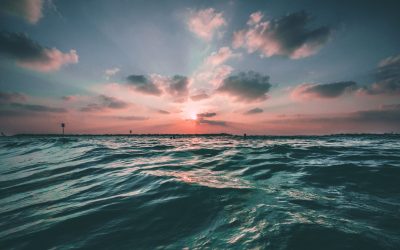
Why supercharging ocean protection of at least 30% of the Earth area is critical for human health and economic wellbeing
The oceans have taken care of us for generations. They are one of our biggest sources of natural capital, accounting for 70% of the earth’s surface. Unfortunately, decades of uncontrolled exploitation of our ocean resources has resulted in escalating pollution-induced climate change, allowed the exacerbation of plastic pollution, caused the collapse of many fisheries, destroyed biodiversity and in the end, negatively impacted our economy and social wellbeing.
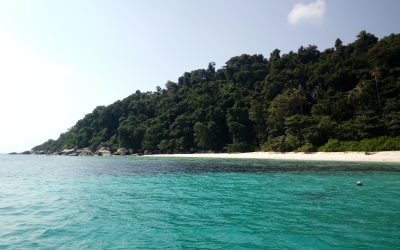
Would re-energising economies for a post-Covid-19 world mean rolling back on environmental protections on a rapidly changing ocean?
PART 1: SETTING THE SCENE
The Covid-19 pandemic changed almost everything. However, it has shown that large-scale urgent change is possible. The unprecedented level and speed of policy and legislative actions demonstrated our capacity to adapt in the face of profound suffering and loss to our health, livelihoods, economies, and behaviours.