
Cintai Tioman:
July – September 2025
Conservation Activities with Volunteers
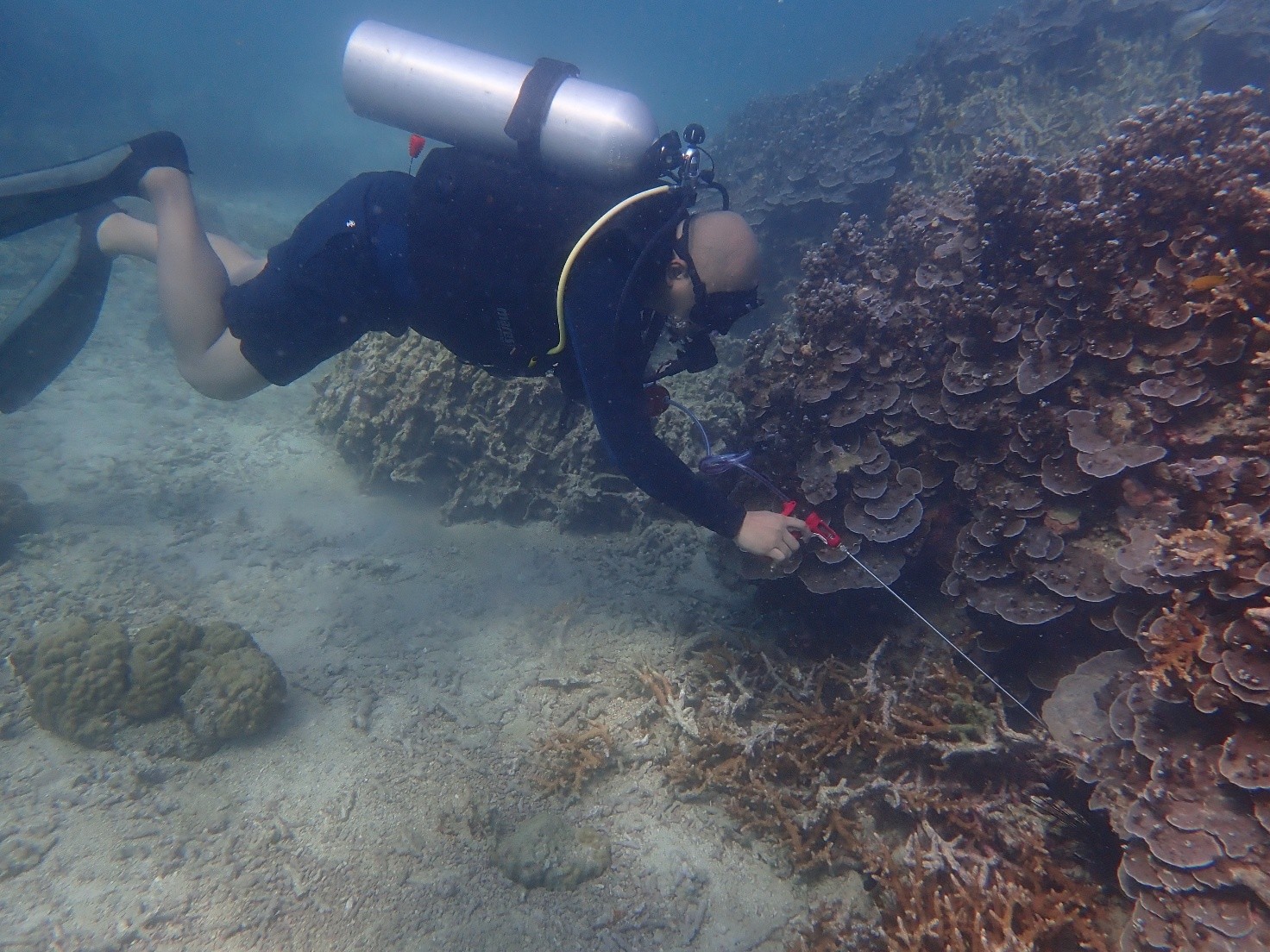
In July, ETIKA HOLDINGS made their visit to Tioman Island for the thrid consecutive year. Over three days of volunteering, participants took part in various activities, including helping to control the population of Crown-of-Thorns Starfish, a major threat to coral reefs. This collaboration not only supports ongoing conservation efforts but also inspires and encourages the local community.
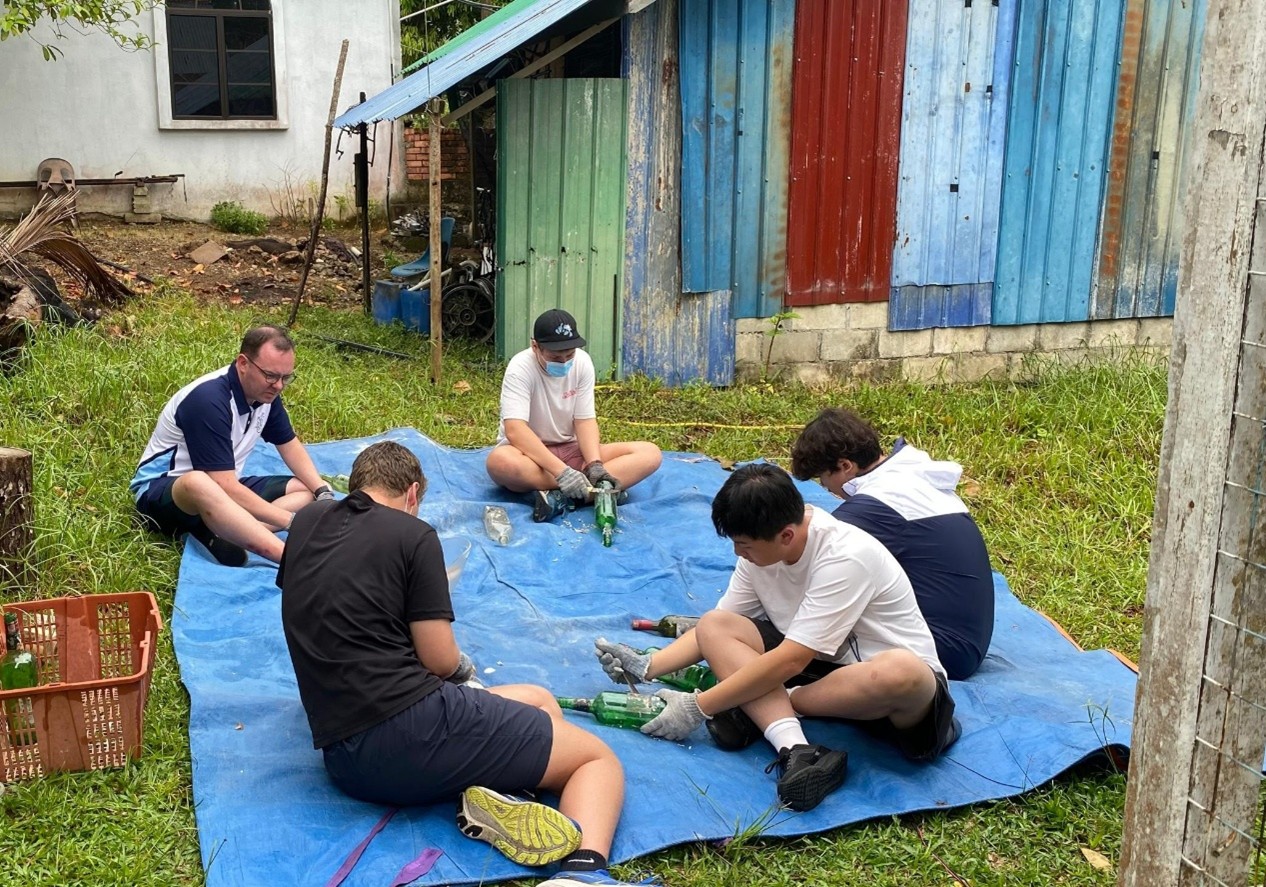
We also partnered with several international schools visiting Tioman Island to carry out conservation activities. Students took part in cleaning glass bottles and crushing them using a glass-crushing machine—an activity that not only reduces waste but also demonstrates effective waste management in practice. The crushed glass was then used to create ‘coral pots’ for our reef rehabilitation and conservation efforts. These hands-on activities gave students valuable practical experience while highlighting the importance of protecting and preserving our environment.
Participants of the Masterclass session
Volunteers from an international school cleaning the glass bottles
Safeguarding Our Marine Environment
In the third quarter of this year, we recorded fewer complaints about ghost nets. However, several were still reported in coral reef areas and a total of 230kg of ghost nets were successfully removed – a collaborative effort between members of the Tioman Marine Conservation Group (TMCG), dive shops and local residents. Ghost nets are torn or abandoned fishing nets left in the sea. They can entangle and kill fish, turtles, and other marine animals, while also causing lasting damage to coral reefs—an essential habitat for marine life.
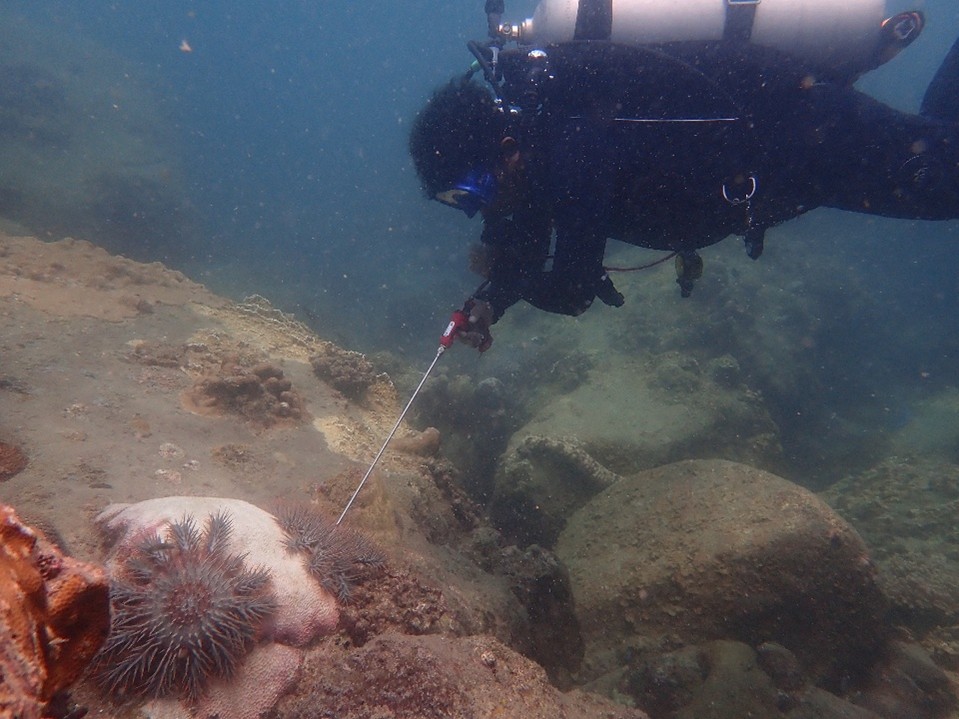
To help protect coral reefs from global warming and human impacts, we’ve also been carrying out Crown-of-Thorns starfish (COTs) population control at several dive and snorkelling sites. In this quarter, RCM, TMCG, and the Department of Fisheries removed more COTs than in previous quarters. When their numbers grow too high, COTs feed heavily on coral polyps, killing reefs and allowing algae to take over. These culling efforts are crucial to restoring reef health and safeguarding marine biodiversity.
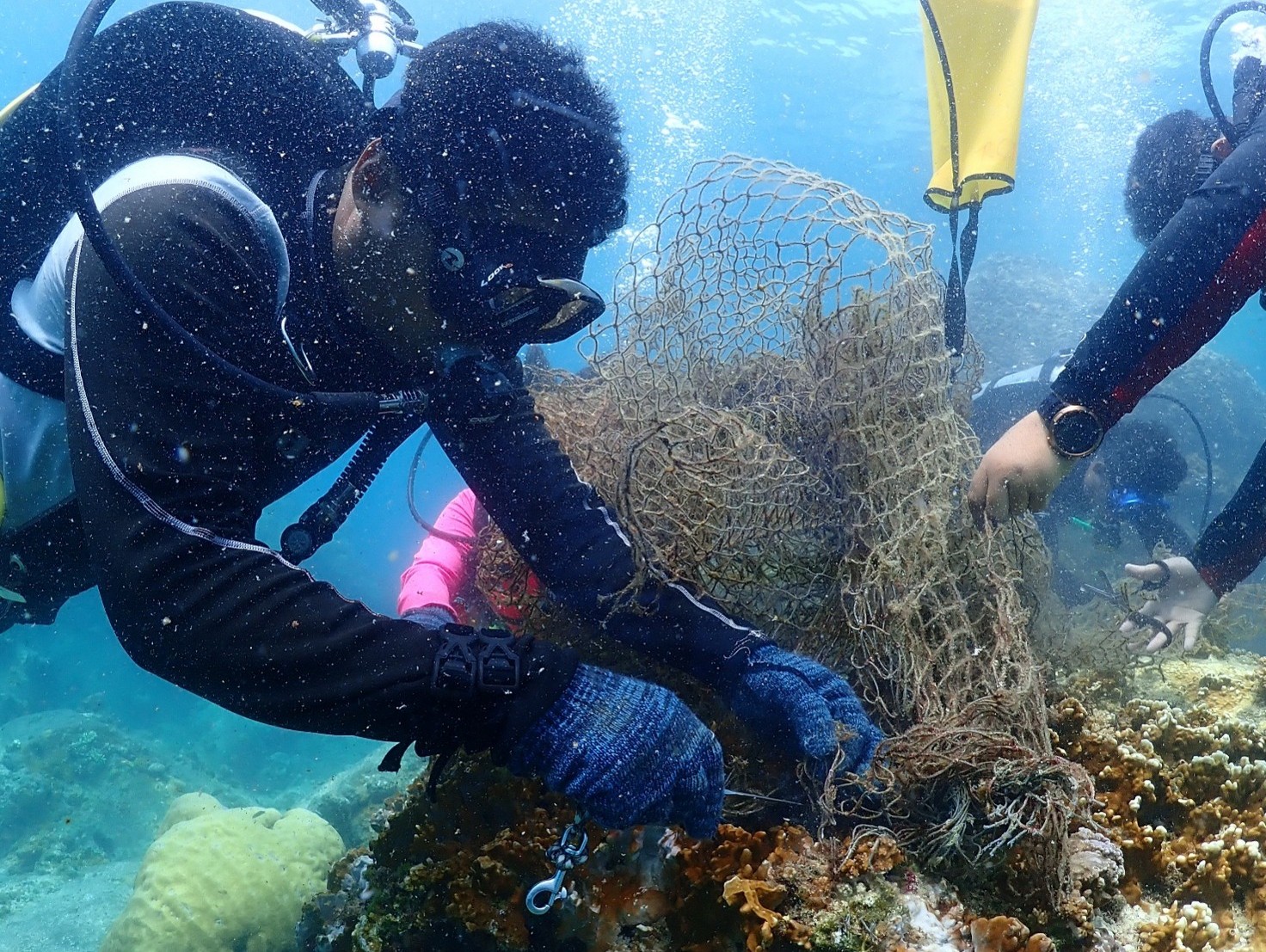
Shahir (RCM) carefully cutting the net stuck on the reef
Syukran (TMCG) injecting the COTs
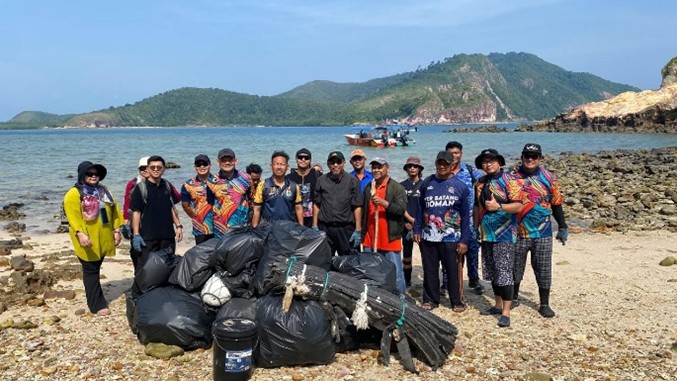
The “Tioman Bersih & Indah” gotong-royong program, organized by the Tioman Development Authority, was carried out across all villages on Tioman Island, including Pulau Sri Buat. The cleanup focused on collecting bulk waste such as old refrigerators, washing machines, and broken TVs, which can become breeding grounds for mosquitoes, create eyesores along beaches, or pollute the sea if left unattended. This effort ensured a safer and more environmentally-friendly disposal of large household items.
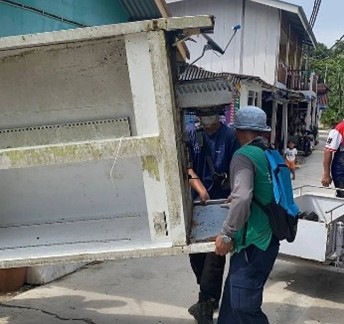
TDA staff moving a refrigerator
Rubbish collected at Pantai Sri Buat
Sustainable Tourism Initiative
Through the Green Fins program, dive shops in Tioman play a key role in promoting responsible and eco-friendly diving. Green Fins, an initiative by the United Nations Environment Programme (UNEP), guides members to follow a 15-point Code of Conduct to reduce the impact of diving on marine life. In Q3, we carried out assessments with both long-established and new dive shops, including:
– The Barat Dive Centre
– The Boat House Dive Centre
– Aman Tioman Dive Centre
– Blue Bubble Scuba Training Centre
– Born to Dive
– Tioman Cabana Village
– My Scuba
– Scuba Naut
– Marine Monkees Tioman
– Tioman Dive Centre
– De Dive Centre, and
– UDive—all of which are part of Green Fins in Tioman.
Learn more about this initiative at: https://greenfins.net/countries/malaysia/
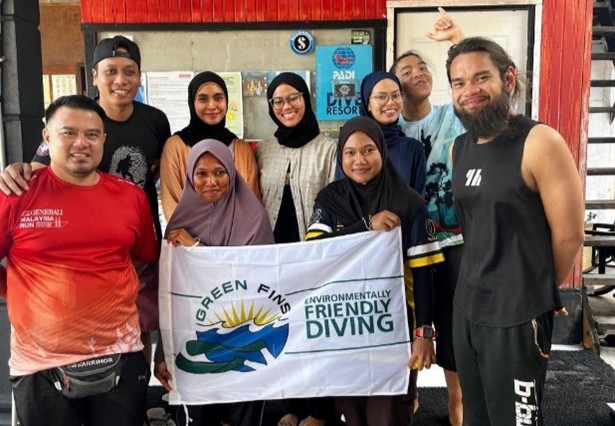
Green Fins evaluation with Bayu Dive Centre
Checkout these stories

Islander Partners Improve Resource Management
(Photo: All together now: Tioman islanders and NGO members remove reef-smothering ghost nets. Pic by Reef Check Malaysia)Locals must be involved in managing their own islands and island resources, says Julian Hyde. It is better for community empowerment and for...
Why supercharging ocean protection of at least 30% of the Earth area is critical for human health and economic wellbeing
The oceans have taken care of us for generations. They are one of our biggest sources of natural capital, accounting for 70% of the earth’s surface. Unfortunately, decades of uncontrolled exploitation of our ocean resources has resulted in escalating pollution-induced climate change, allowed the exacerbation of plastic pollution, caused the collapse of many fisheries, destroyed biodiversity and in the end, negatively impacted our economy and social wellbeing.
Would re-energising economies for a post-Covid-19 world mean rolling back on environmental protections on a rapidly changing ocean?
PART 1: SETTING THE SCENE
The Covid-19 pandemic changed almost everything. However, it has shown that large-scale urgent change is possible. The unprecedented level and speed of policy and legislative actions demonstrated our capacity to adapt in the face of profound suffering and loss to our health, livelihoods, economies, and behaviours.